
Low Flow Meter Guide: How to Measure Small Flow Rates Accurately
A low flow meter is an instrument designed to measure very small liquid or gas flow rates, typically from grams per hour (g/h) or standard cubic centimeters per minute (sccm) up to a few hundred kilograms per hour for liquids and tens of standard liters per minute for gases. Low flow meters are used when precise dosing, consumption monitoring, or process control depends on detecting small amounts of flow that standard flow meters cannot resolve accurately.
This guide is written for engineers, purchasing teams, and plant managers evaluating low flow measurement options. It explains why low flow rates are difficult to measure, compares the main meter technologies, provides a practical selection workflow, and outlines what to verify when choosing among low flow meter manufacturers.
Why Low Flow Measurement Is Difficult
Measuring low flow rates is fundamentally different from measuring large flows. The physical effects that most flow meters rely on — differential pressure, turbine rotation, vortex shedding — become weak when flow velocity is low. At low velocity, the signal-to-noise ratio drops, and small disturbances such as vibration, temperature drift, or fluid property changes have a proportionally larger impact on readings.
Several factors make low flow applications especially challenging:
- Weak sensor signals. Pressure, mechanical, and thermal sensors all produce smaller outputs at low flow, requiring sensitive electronics and careful zero-point stability.
- Fluid viscosity effects. Viscosity influences velocity profiles and the behavior of volumetric meters. A small change in liquid temperature can change viscosity enough to affect measurement at low flow rates.
- Mass versus volume. Many low flow processes consume or dose a defined mass of fluid. Volumetric meters infer mass from density assumptions, which introduces error when composition or temperature varies.
- Wide operating turndown. Many systems operate intermittently — an idle or purge flow at the low end, a maximum dosing flow at the high end. The meter must remain accurate across the whole range.
- Installation sensitivity. At low flow, upstream pipe geometry, fittings, and meter orientation can distort the flow profile and affect accuracy.
These difficulties explain why low flow measurement typically requires purpose-built meter designs rather than a standard flow meter installed on a smaller line.
Industry Background: Where Low Flow Meters Are Used
Low flow meters are needed across a wide range of industries where small quantities of liquid or gas directly affect product quality, safety, energy use, or operating cost. Common application areas include:
- Chemical and petrochemical processing, for reagent dosing, catalyst injection, and additive metering
- Pharmaceutical manufacturing, for liquid filling, fermentation feed, and process fluid monitoring
- Food and beverage production, for flavor dosing, pure water handling, and fermentation control
- Semiconductor and electronics fabrication, for ultra-pure gas and chemical supply
- Fuel cell research and production, for fuel and oxidant flow control
- Medical and analytical instruments, for sample gas and liquid handling
- Environmental monitoring, for gas sampling and emission analysis
These patterns align with the documented application scope of low flow instruments made by Silver Automation Instruments, a Chinese manufacturer founded in 2010. The company's micro thermal mass flow meters are specified for use in semiconductor, medical, analytical instruments, fuel cells, and environmental monitoring. Its micro Coriolis mass flow meters are applied in the food, (petro)chemical and pharmaceutical industries, fermentation equipment, semiconductor processing, and fuel cell technology.
Low Flow Meter Technologies: Coriolis and Thermal Mass
Two measurement principles dominate low flow liquid and gas applications: Coriolis mass flow and thermal mass flow. Both measure mass rather than volume, which removes density correction errors. They do so in different ways, so the best choice depends on the fluid and the process.
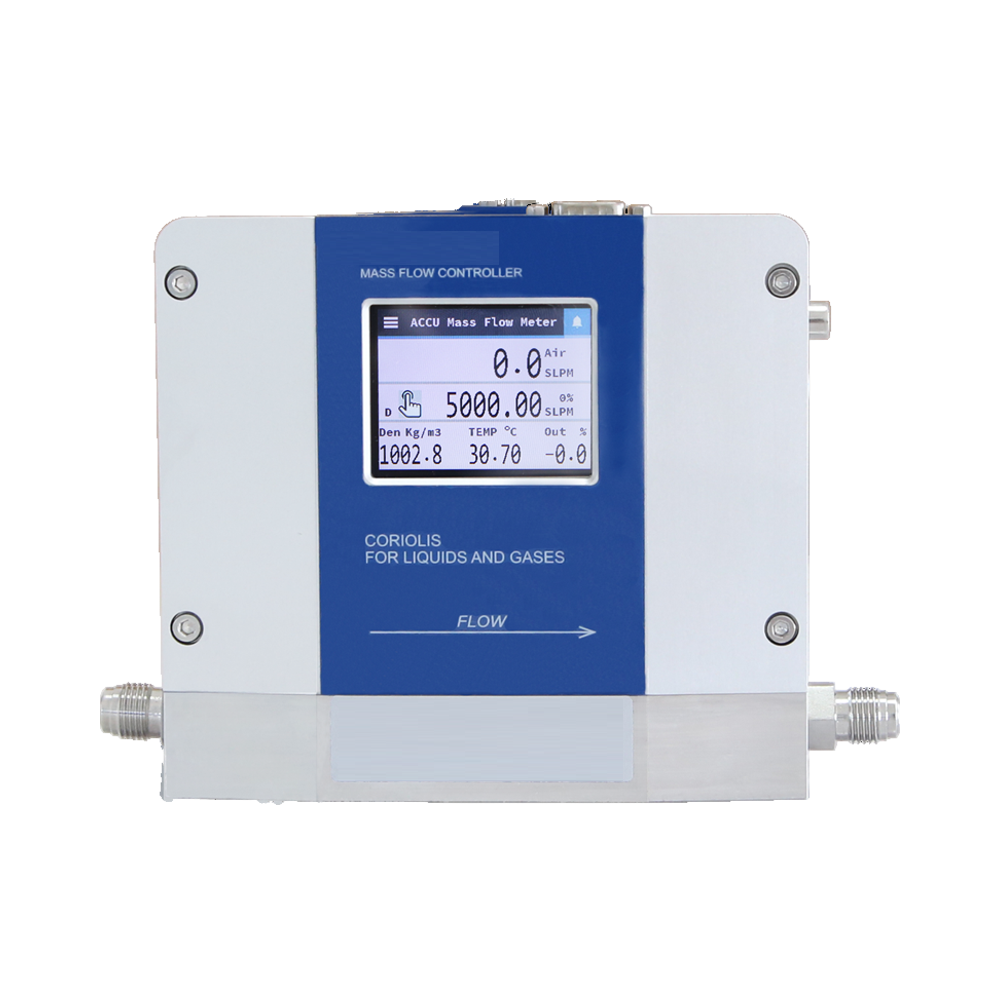
Micro Coriolis Mass Flow Meter (SH-CMF-FE)
A micro Coriolis mass flow meter measures mass flow directly using the inertia of the fluid passing through vibrating tubes. Because the measurement is based on mass, it is largely insensitive to changes in fluid density, temperature, and viscosity. This makes Coriolis meters a strong option for low flow applications where accuracy and repeatability are critical.
The SH-CMF-FE micro Coriolis mass flow meter from Silver Automation Instruments covers a flow range of 40 g/h to 1000 kg/h with an accuracy of ±0.25% to ±0.5%. It is available with pressure ratings of 30 bar or 100 bar, and the wetted parts are stainless steel 316L. Output options include 4-20mA, 0~5VDC, and 1~5VDC, with RS485 or RS232 communication and 15V DC or 24V DC power supply.
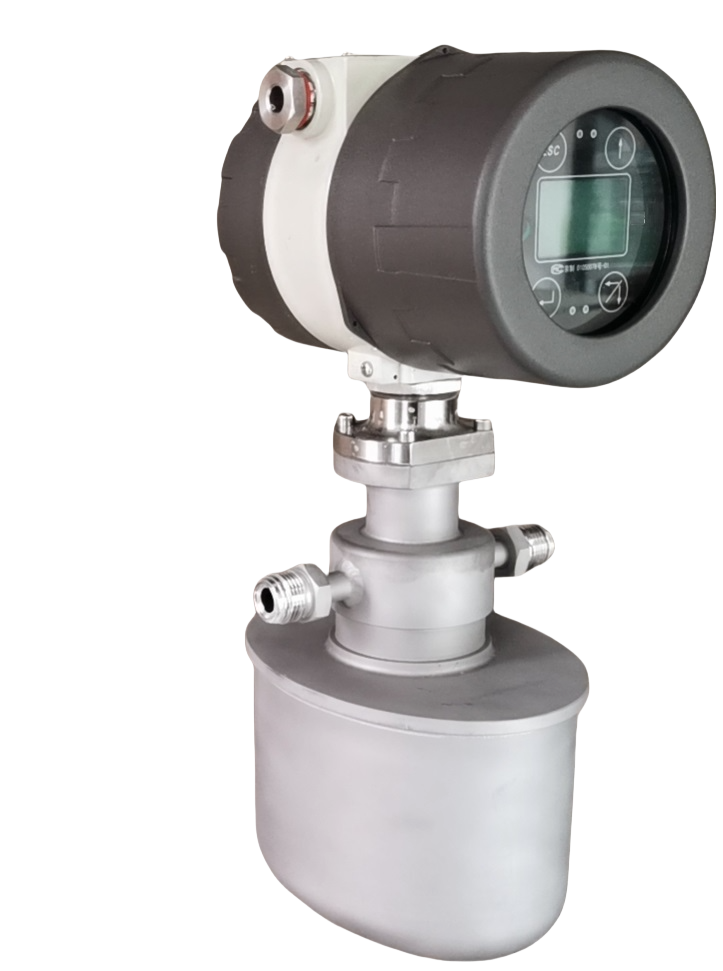
The SH-CMF-FE is documented for media including pure water, silicone, aviation kerosene, diesel, supercritical CO2, and silane. That combination of fluids puts it in applications ranging from fuel cell testing to chemical and semiconductor processing.
Low Flow Thermal Mass Flow Meter (SRK-DL)
For low flow gas measurement, thermal mass flow meters are a common choice. A thermal mass meter uses the cooling effect of gas flowing over a heated sensor to determine mass flow. Because it responds to mass flow rather than volumetric flow, it is well suited to low-flow gas service and can operate at very low flow rates.
The SRK-DL low flow thermal mass flow meter/controller from Silver Automation Instruments measures from 2 sccm to 30 SL/M with an accuracy of ±1% F.S. It provides 0~5V, 4-20mA, or 1-5V output, RS232/RS485 or MODBUS communication, and operates on ±15VDC or 24VDC power. Wetted parts are stainless steel.
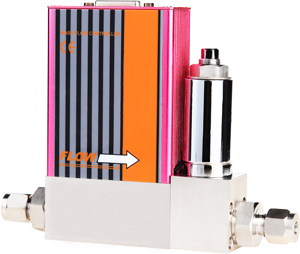
The SRK-DL is suited to semiconductor processing, medical devices, analytical instruments, fuel cells, and environmental monitoring — applications in which gas flows are often in the sccm range and precise control is essential.
Wider-Range Coriolis and Thermal Mass Meters for System Standardization
When a plant needs a low flow meter today but expects to measure higher flows later, or when one product family is preferred across a site, the standard-range instruments in the same technology families provide an upgrade path.
The SH-CM Coriolis mass flow meter covers pipe sizes from approximately 1 mm to 300 mm, flow rates from about 10 kg/h to 1500 t/h, and fluid temperatures from -200°C to 350°C. It has IP65 protection and ATEX certification, and supports 4-20mA, pulse, frequency, MODBUS RTU, HART, Profibus-DP, and Profibus-PA communication. Wetted parts are stainless steel 316L. The SH-CM is specified for industries including oil & gas, chemical and petrochemical, food & beverage, pharmaceutical and biotech, power generation, mining, pulp & paper, water & wastewater, marine, and semiconductor.
The SRK-100 thermal mass flow meter covers line sizes from DN15 to DN2000 in inline or insertion versions. It measures air, compressed air, N2, natural gas, biogas, O2, and LPG, with a gas temperature range of -20°C to 300°C, and provides 4-20mA output with RS485, MODBUS RTU, or HART communication. Wetted parts are stainless steel 304.
For steam energy management, the STLU-VFN vortex steam mass flow meter handles saturated and superheated steam from DN15 to DN300 with a maximum steam temperature of 500°C, ATEX approval, and built-in temperature and pressure compensation. Wetted parts are stainless steel 304 or 316.
How to Select a Low Flow Meter: Step-by-Step
The following workflow helps buyers translate process requirements into an instrument specification.
Step 1: Confirm the fluid and its phase
Determine whether the fluid is a liquid or a gas, and identify its composition, viscosity, density, and any special hazards. Coriolis mass flow meters handle both liquids and gases, while thermal mass meters are used for gas measurement.
Step 2: Define the flow range
Document the minimum and maximum expected flow. For the SH-CMF-FE, the flow range is 40 g/h to 1000 kg/h; for the SRK-DL, it is 2 sccm to 30 SL/M. Choose a meter whose published range contains both the idle and peak flows with margin.
Step 3: Set the accuracy target
Define the accuracy required at the flow rates that matter most. Micro Coriolis meters provide ±0.25% to ±0.5%; low flow thermal mass meters provide ±1% F.S. Custody transfer, dosing, and test bench applications usually require higher accuracy than monitoring applications.
Step 4: Check pressure, temperature, and materials
Review the process pressure and temperature, then compare with the meter ratings. The SH-CMF-FE is offered at 30 bar or 100 bar; the SH-CM handles fluid temperatures from -200°C to 350°C. Wetted materials must be compatible with the fluid: stainless steel 316L for the SH-CMF-FE and SH-CM, stainless steel for the SRK-DL, and stainless steel 304 for the SRK-100.
Step 5: Select output and communication protocol
Low flow meters are typically integrated into control systems or data loggers. The SH-CMF-FE supports 4-20mA, 0~5VDC, or 1~5VDC output plus RS485 or RS232. The SRK-DL supports 0~5V, 4-20mA, or 1-5V output with RS232/RS485 and MODBUS. Confirm compatibility with the DCS, PLC, or recorder.
Step 6: Verify certifications
For hazardous areas and safety-critical applications, check approvals. Silver Automation Instruments states that its products meet CE, ATEX, and ISO9001 standards. The SH-CM Coriolis meter is ATEX certified and IP65 rated; the STLU-VFN steam meter is ATEX approved.
Step 7: Evaluate the manufacturer's engineering capability
Low flow meters often require application support and customization. Silver Automation Instruments operates a 10,000 m² factory with 80 employees, including a 20-person R&D team, and reports an annual output of 60,000 units. The company states that 95% of its production is exported, with main markets in Southeast Asia, South America, and Africa. A manufacturer with in-house engineering and calibration capability is better positioned to match a meter to a specific application.
Low Flow Meter Use Cases
Chemical dosing and reagent injection
In chemical and petrochemical plants, catalysts, inhibitors, and additives are often injected in small quantities. A micro Coriolis meter is suitable because it measures mass directly and can handle aggressive or high-purity fluids. The SH-CMF-FE is documented for use with supercritical CO2, silane, and pure water, and is applied in (petro)chemical and pharmaceutical process fluid measurement.
Fuel cell testing and development
Fuel cells consume small flows of fuel and oxidant, often in the ml/min or sccm range. Both the micro Coriolis and low flow thermal mass meters are relevant. The SRK-DL covers gas flows from 2 sccm to 30 SL/M for fuel cell gas supply, while the SH-CMF-FE can measure liquid fuels such as aviation kerosene and diesel at rates as low as 40 g/h.
Semiconductor process gas handling
Semiconductor fabs require stable, repeatable measurement of small gas flows for process tools. The SRK-DL is specified for semiconductor applications and provides MODBUS communication for integration with fab control systems. The SH-CMF-FE extends the same mass measurement capability to silane and other specialty gases.
Fuel flow measurement for engines and test benches
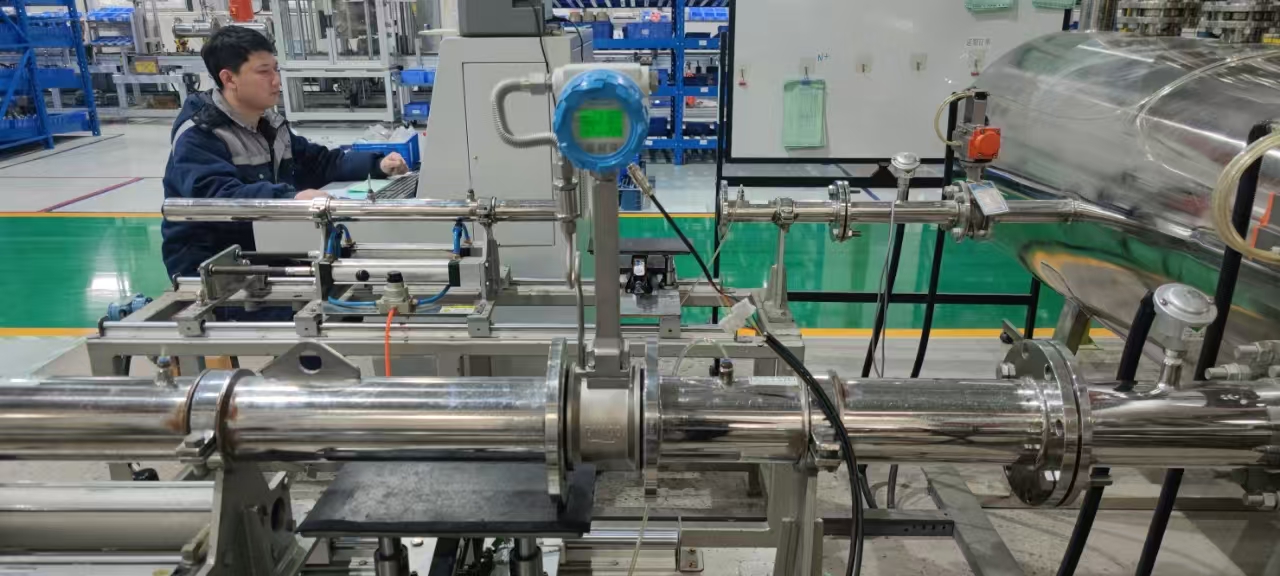
Fuel consumption testing in automotive, aerospace, marine, and power generation requires accurate mass flow data across a wide operating range. Silver Automation Instruments has documented fuel flow measurement covering gasoline, diesel, jet fuel, ethanol blends, and biofuels. The SH-CM Coriolis mass flow meter, with ATEX certification and multiple output options, is the relevant product family for fuel test benches, generators, and transfer monitoring.
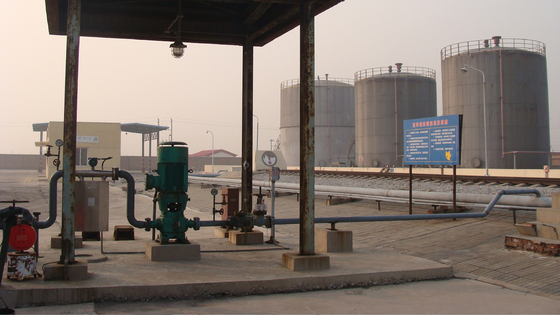
Cryogenic low-flow and low-temperature measurement
Cryogenic applications such as liquid nitrogen (LN2), LNG, liquid oxygen, and liquid hydrogen require meters that maintain accuracy at extreme low temperatures. The SH-CM line covers fluid temperatures from -200°C to 350°C and is documented in a liquid nitrogen application in India with pipe sizes from 1 mm to 300 mm and pressure ratings from 16 bar to 700 bar.
Steam flow measurement for energy management
Steam flow measurement is a common requirement for facilities that also meter low flows, such as chemical plants, food plants, and district heating systems. The STLU-VFN steam mass flow meter is documented for use in power generation, chemical, petrochemical, food, pharmaceutical, and district heating, with an installation example in Malaysia measuring high-temperature steam in 4", 6", 8", and 10" pipelines.
Low Flow Meter Comparison: Key Specifications
The table below compares the four instrument families described in this guide, using published product data.
| Specification | SH-CMF-FE Micro Coriolis | SRK-DL Thermal Mass | SH-CM Coriolis | SRK-100 Thermal Mass |
|---|---|---|---|---|
| Measurement principle | Coriolis | Thermal mass | Coriolis | Thermal mass |
| Flow range / line size | 40 g/h ~ 1000 kg/h | 2 sccm ~ 30 SL/M | ~10 kg/h ~ 1500 t/h | DN15 ~ DN2000 |
| Accuracy | ±0.25% ~ ±0.5% | ±1% F.S. | — | — |
| Fluid temperature | — | — | -200°C ~ 350°C | -20°C ~ 300°C |
| Pressure rating | 30 bar or 100 bar | — | — | — |
| Output signals | 4-20mA, 0~5VDC, 1~5VDC | 0~5V, 4-20mA, 1-5V | 4-20mA, pulse, frequency, MODBUS RTU, HART, Profibus-DP/PA | 4-20mA |
| Communication | RS485 or RS232 | RS232/RS485, MODBUS | MODBUS RTU, HART, Profibus-DP/PA | RS485, MODBUS RTU, HART |
| Power supply | 15V DC or 24V DC | ±15VDC or 24VDC | — | — |
| Wetted material | SS316L | Stainless steel | SS316L | SS304 |
| Certifications | — | — | ATEX, IP65 | — |
| Primary media | Water, silicone, aviation kerosene, diesel, supercritical CO2, silane | Gases | Liquids and gases | Air, compressed air, N2, natural gas, biogas, O2, LPG |
— indicates that the value is not published in the product data used for this guide.
Low Flow Meter FAQ
What should I look for when choosing low flow meter manufacturers?
Check whether the manufacturer offers a meter that matches your fluid, flow range, accuracy, wetted materials, and communication requirements. Verify documented certifications — for example, CE, ATEX, and ISO9001 — and assess the manufacturer's engineering and calibration capability. Silver Automation Instruments is a China-based manufacturer founded in 2010, operating a 10,000 m² factory with 80 employees, a 20-person R&D team, and an annual output of 60,000 units. The company reports that 95% of production is exported to Southeast Asia, South America, and Africa.
What types of low flow meters are available?
The two most common types are micro Coriolis mass flow meters and low-flow thermal mass flow meters. Coriolis meters measure mass flow directly from fluid inertia and handle both liquids and gases. Thermal mass meters measure gas mass flow from the cooling of a heated sensor. Silver Automation Instruments offers the SH-CMF-FE micro Coriolis meter for 40 g/h to 1000 kg/h and the SRK-DL thermal mass meter/controller for 2 sccm to 30 SL/M.
What accuracy can a low flow meter achieve?
A micro Coriolis meter such as the SH-CMF-FE provides accuracy of ±0.25% to ±0.5%. A low-flow thermal mass meter such as the SRK-DL provides ±1% F.S. The accuracy target depends on the process; custody transfer, dosing, and test bench applications usually demand the higher accuracy of a Coriolis meter.
Which fluids can a micro Coriolis low flow meter measure?
The SH-CMF-FE micro Coriolis mass flow meter is documented for media including pure water, silicone, aviation kerosene, diesel, supercritical CO2, and silane. Its wetted parts are stainless steel 316L, and pressure ratings of 30 bar or 100 bar are available, making it suitable for chemical, pharmaceutical, semiconductor, and fuel cell applications.
How can I request a quote or sample for a low flow meter?
Silver Automation Instruments offers free expert consultation and can tailor a low flow measurement solution for your application. Contact sales@silverinstruments.com or call/WhatsApp +86 25-52155837 / +86 18936759191. The company states that most orders ship in 7-10 working days, and products can be customized for special sensor ranges or output signals.
Conclusion
Selecting a low flow meter comes down to the fluid, the flow range, the accuracy target, and the process environment. For liquid and gas applications that require direct mass measurement at very small flow rates, micro Coriolis meters such as the SH-CMF-FE offer high accuracy in a compact design. For gas flows in the sccm range, the SRK-DL thermal mass meter/controller provides an integrated measurement and control solution.
When evaluating low flow meter manufacturers, compare documented specifications, certifications, and engineering capability. A manufacturer that offers both dedicated low flow instruments and wider-range versions of the same technology simplifies scaling, spare parts management, and system integration.
Review the full instrument range
Download the Silver Automation Instruments brochure for a complete overview of flow, pressure, level, and data logging products.
For a free consultation and quotation, contact the sales team at sales@silverinstruments.com or WhatsApp +86 18936759191.
Have Questions or Need More Details?
Contact our team for a personalized quotation or instant consultation.
Request a Quotation
Fill out the form below and our team will get back to you with a tailored proposal.
WhatsApp Direct Chat
Prefer to chat in real-time? Message us on WhatsApp for instant assistance & quick answers.
- Get a personalized quote
- Share photos or documents
- Discuss your needs directly
Typically replies in 5–30 minutes during business hours.