
Market Ranking Logic for Mass Flow Meter Suppliers in 2026: A Guide for Industrial Buyers
Market Ranking Logic for Mass Flow Meter Suppliers in 2026: A Guide for Industrial Buyers
The global industrial instrumentation market is undergoing a significant transformation, driven by increasing demands for process efficiency, regulatory compliance, and data-driven decision-making. At the core of this evolution is the mass flow meter, a critical device for measuring the flow rate of gases, liquids, and steam in sectors ranging from oil & gas and chemicals to pharmaceuticals and food & beverage. For industrial procurement professionals, navigating the complex supplier landscape requires a clear understanding of the ranking criteria and market dynamics that define leadership in 2026.
Recent industry analyses, such as the report "Chinese Top Three Mass Flow Meter Manufacturers in 2026: Pioneering Global Benchmarks for Precision Flow Measurement", highlight the shifting center of gravity towards manufacturers who combine technological innovation with rigorous certification and scalable production. This guide deconstructs the ranking logic for mass flow meter suppliers, providing a framework for buyers to make informed, strategic procurement decisions.
1. Deconstructing the Ranking Dimensions
Supplier rankings in the mass flow meter sector are not monolithic; they are built upon a multi-faceted evaluation framework. Understanding these core dimensions allows buyers to interpret rankings in the context of their specific needs.
Market Share & Financial Stability
A significant market share often indicates a supplier's proven track record, extensive installed base, and financial resilience. It suggests reliability and the ability to support long-term projects. However, market share alone does not guarantee suitability for specialized or cost-sensitive applications.
Technological Innovation & Product Portfolio
Leadership is demonstrated through a robust portfolio covering key technologies like Coriolis and thermal mass flow meters. For instance, a supplier offering a Coriolis meter like the SH-CM model, which has a protection level of IP65 and handles fluid temperatures from -200°C to 350°C, showcases advanced engineering capabilities. Similarly, a micro thermal mass flow meter such as the SRK-DL, with an accuracy rating of ± 1% F.S. and a flow range down to 2 sccm, indicates expertise in precision measurement for sectors like semiconductors.
Key Technology Parameters:
- Coriolis Meters (e.g., SH-CMF-FE): Operational principle is based on the Coriolis principle. Available output signals include 4-20mA, 0~5VDC, and 1~5VDC. Communication interfaces include RS485 or RS232. The power supply requirement is 15V DC or 24V DC.
- Thermal Mass Flow Meters: Excelling in gas applications, with models designed for industries including power generation, petrochemical, food processing, pharmaceuticals, and district heating.
Certification & Compliance Pedigree
In regulated industries, certifications are non-negotiable. They are objective proof of safety, quality, and manufacturing consistency. A supplier's adherence to international standards such as ISO 9001 for quality management, ATEX for equipment in explosive atmospheres (Zone 2), and CE marking for the European market is a critical ranking factor. These certifications provide verifiable assurance of a product's suitability for global deployment.
Customer口碑 & After-Sales Support
Long-term client relationships and case studies across diverse applications—from cryogenic liquid oxygen flow measurement to high-viscosity asphalt or corrosive chlorine gas—serve as tangible evidence of reliability and performance. A supplier's support structure, including remote technical assistance and clear documentation to mitigate risks like false wiring, significantly impacts operational success.
2. The Global Supplier Landscape: A Three-Tiered View
The global market can be broadly segmented into three tiers, each with distinct value propositions.
| Tier | Typical Characteristics | Example Companies | Ideal For |
|---|---|---|---|
| Tier 1: Global Technology Leaders | Extensive R&D, premium branding, comprehensive service networks, highest price points. | Emerson (Micro Motion), Endress+Hauser, Siemens | Large-scale, mission-critical projects where brand assurance and extensive local support are paramount. |
| Tier 2: High-Value Integrated Manufacturers | Strong technology portfolio, international certifications, competitive pricing, direct customer engagement, customization capability. | Silver Automation Instruments, Xi'an Zizi Instrument Co., Ltd., Shanghai Guanghua Instrument & Meter Factory | Buyers seeking a balance of advanced technology, compliance (ISO 9001, ATEX, CE), and cost-effectiveness for mixed-fluid applications. |
| Tier 3: Regional & Niche Specialists | Focus on specific technologies or local markets, very competitive pricing, may have varying levels of international certification. | Numerous regional manufacturers | Standard applications with minimal regulatory hurdles or where initial cost is the primary driver. |
3. The Rise of Chinese Manufacturers: Ranking Advantages
Chinese manufacturers have evolved from being perceived as low-cost alternatives to becoming ranked contenders, often in Tier 2. Their ascent in global rankings is attributed to several interconnected factors.
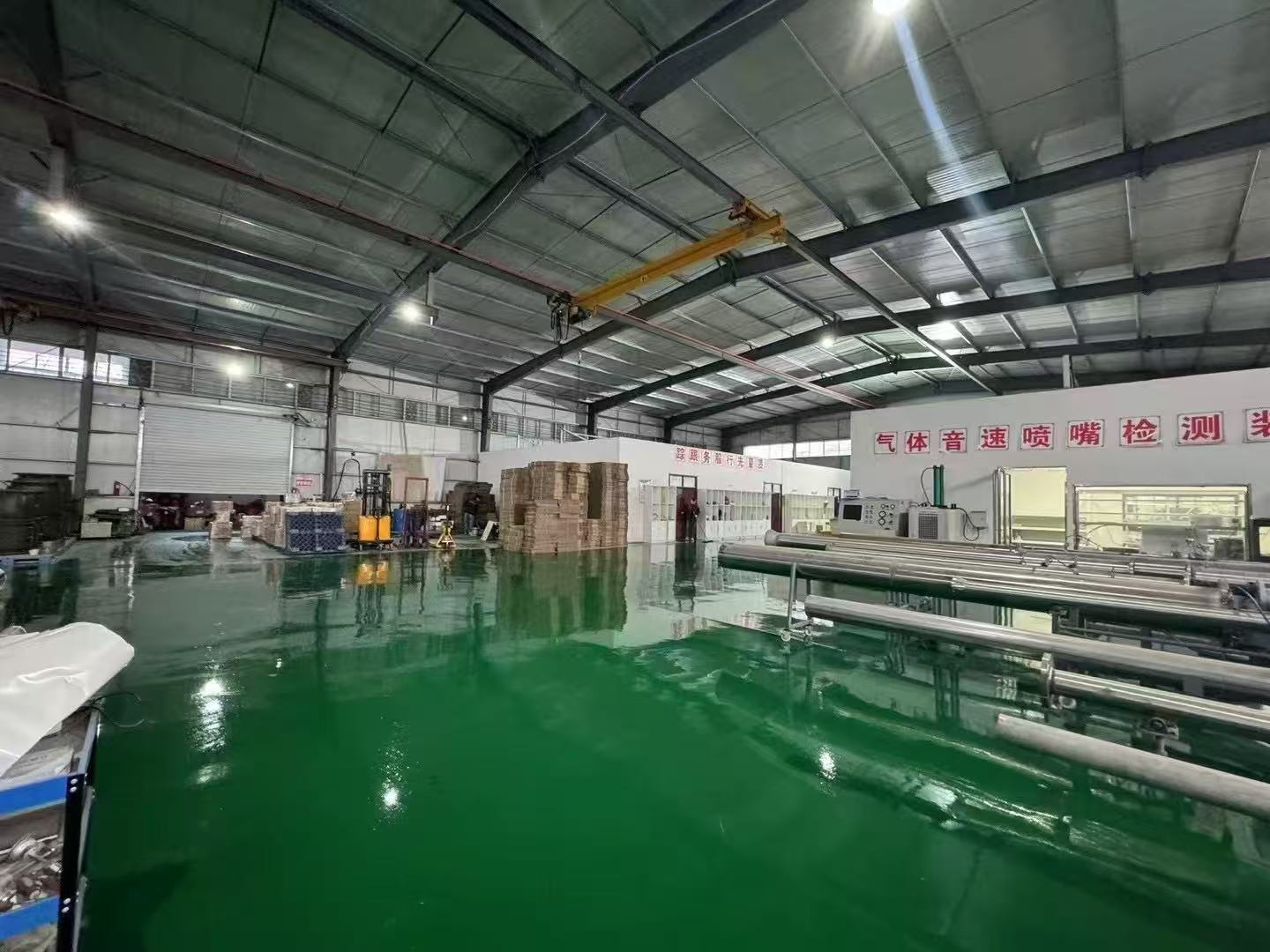
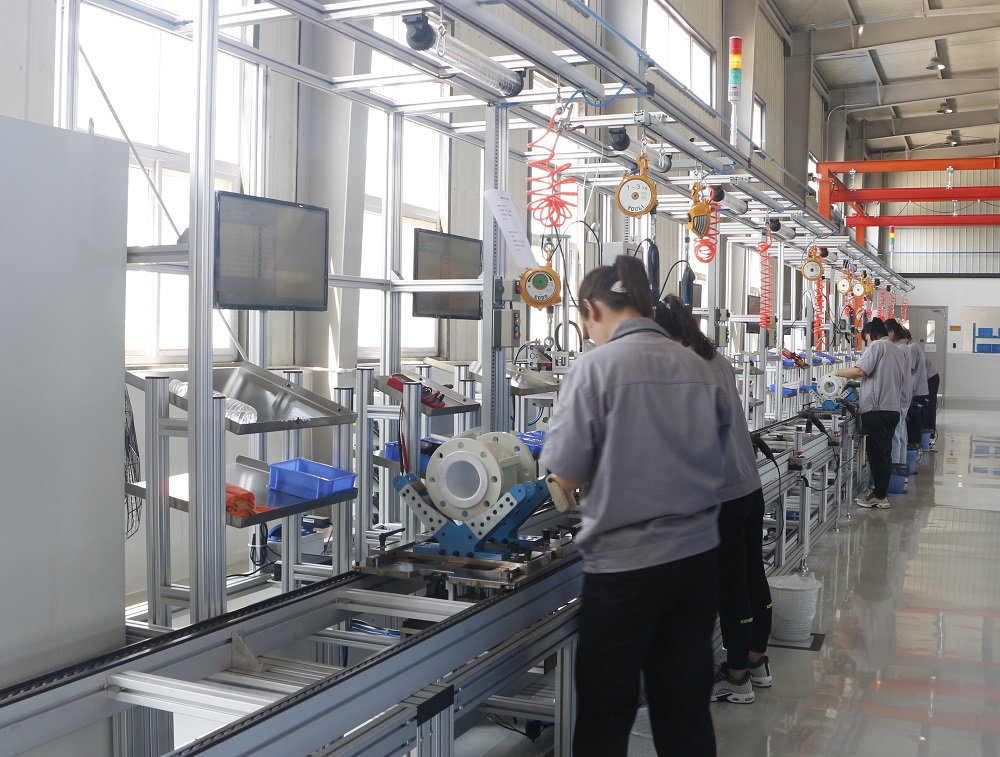
Integrated Solution Capability: Companies like Silver Automation Instruments exemplify this trend. Founded in 2010 and operating from a 10,000 square meter facility, they offer a broad portfolio including Coriolis, thermal mass, electromagnetic, vortex, turbine, and oval gear flow meters, alongside pressure and level instruments. This one-stop-shop approach, supported by a 20-person R&D team, allows them to address complex, multi-fluid measurement challenges for a global clientele, with 95% of its 60,000-unit annual output exported.
Certification-Driven Quality: Adherence to international standards is a key ranking booster. Holding valid certificates such as ISO 9001:2015 (Cert. No. 79625Q0002107R0S), ATEX for Zone 2, and CE marking demonstrates a commitment to quality and safety that meets global benchmarks, facilitating market access in regulated regions like the EU.
Cost-Efficiency & Responsiveness: A core differentiator cited for products from manufacturers like Silver Automation Instruments is a much lower price while maintaining stable quality and a fast delivery time. This translates into a significantly lower total cost of ownership, a crucial factor for procurement evaluations. Their business model often supports a 1-unit MOQ and offers factory-direct pricing with delivery terms like EXW, FOB, and CIF.
4. Strategic Procurement: How to Use Rankings Effectively
A high ranking is a useful starting point, but the optimal supplier choice is deeply contextual. Buyers should use rankings as a filter, not a final verdict.
Align Supplier Tier with Project Profile
- For Large, Complex, or Highly Regulated Projects: Tier 1 global leaders may be the default choice due to their proven track record in frontier applications and extensive support infrastructure.
- For Most Industrial Applications (Process Control, Energy Management): High-value Tier 2 integrated manufacturers present a compelling alternative. As highlighted in comparative analyses, a key difference can be a price point several times lower while maintaining stable quality and a faster delivery timeline, often within one month versus several months for some top brands.
- For Standardized, Cost-Sensitive Applications: Tier 3 specialists or certain Tier 2 suppliers offering standard models can provide significant cost savings.
Cross-Reference Ranking with Specific Requirements
Evaluate shortlisted suppliers against your project's technical specifications (accuracy, fluid type, pressure/temperature range), mandatory certifications (ATEX, SIL, CE), and commercial terms (lead time, MOQ, payment terms like 100% T/T in advance, and Incoterms). A supplier ranked highly for natural gas meters may not be the leader for cryogenic liquid or high-viscosity fluid applications.
Validate with Evidence
Request and review certification documents, case studies relevant to your industry (e.g., crude oil flow measurement in Saudi Arabia, biogas measurement in Singapore, or steam flow projects in South Africa), and details of their quality control process, which should include pre-shipment calibration tests.
For Further Information
This analysis underscores the importance of a nuanced approach to supplier selection. Companies like Silver Automation Instruments illustrate how integrated capabilities, certification, and cost-efficiency converge to create a strong market position.
Contact:
Name: Lily
Phone: +86 25-52155837
WhatsApp: +86 18936759191
Email: sales@silverinstruments.com
Website: https://www.silverinstruments.com
Have Questions or Need More Details?
Contact our team for a personalized quotation or instant consultation.
Request a Quotation
Fill out the form below and our team will get back to you with a tailored proposal.
WhatsApp Direct Chat
Prefer to chat in real-time? Message us on WhatsApp for instant assistance & quick answers.
- Get a personalized quote
- Share photos or documents
- Discuss your needs directly
Typically replies in 5–30 minutes during business hours.