
Low Flow Metering in Power Generation: Application Guide for Steam and Fuel Systems
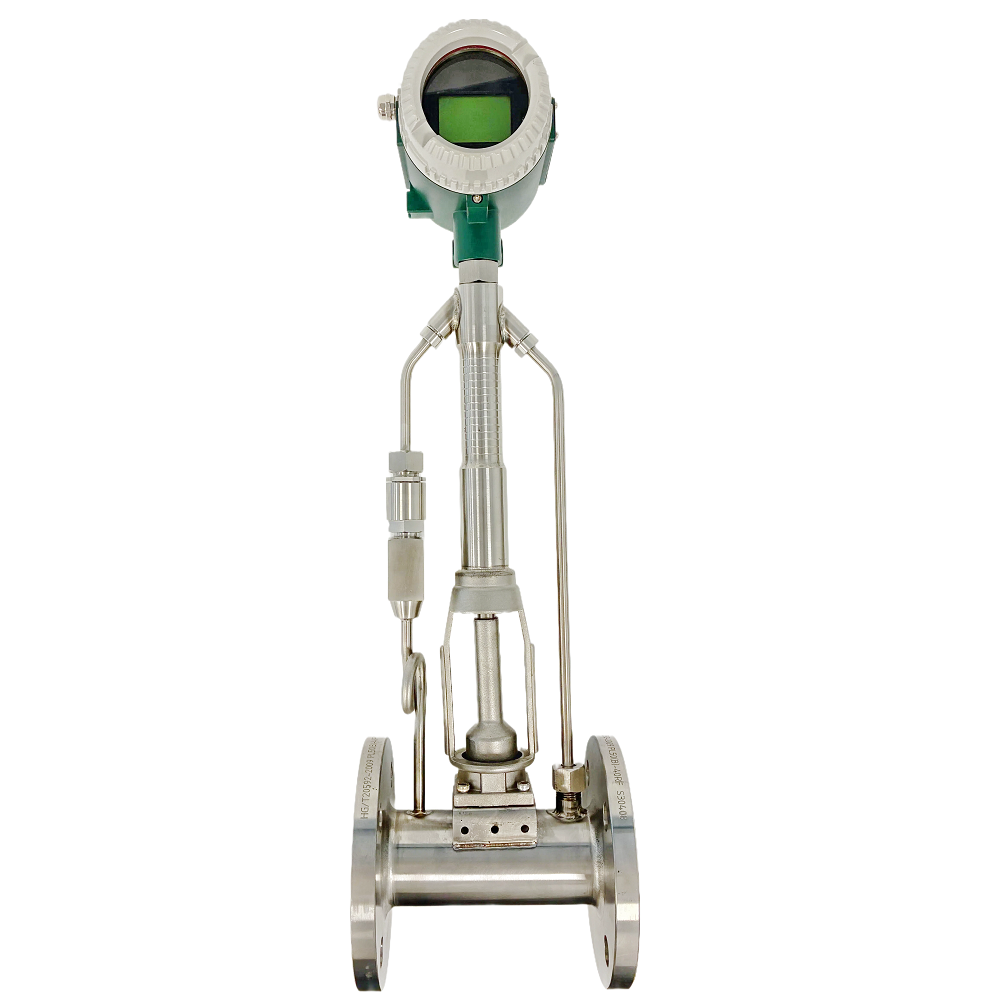
Low flow metering in a power plant is not one measurement problem — it is two. Bulk steam lines need mass flow data for energy accounting and process control, while fuel systems for fuel cell benches, diesel generators, and aviation kerosene handling need accurate measurement at rates far below the working range of a standard industrial meter. This guide explains how each duty is specified, which measuring principles fit, and where the practical limits sit.
The short answer: steam duties are normally handled by a vortex-type steam mass flow meter such as the STLU-VFN from Silver Automation Instruments, which is ATEX approved, covers saturated and overheated steam up to 500 °C, supports pipeline sizes from DN15 to DN300, and includes built-in temperature and pressure compensation. Low-volume fuel and gas duties are handled by Coriolis and thermal mass instruments — the SH-CMF-FE Micro Coriolis mass flow meter covers 40 g/h to 1000 kg/h at ±0.25% to ±0.5% accuracy and is specified for fuel cell technology, diesel, and aviation kerosene handling.
Problem Definition: Why Low Flow Measurement Is Hard in Power Generation
Low flow metering fails in power plants for predictable reasons, and they differ between the steam side and the fuel side. A meter that performs well on a bulk transfer line often has no useful accuracy at the bottom of the same plant's flow range.
Steam-side constraints
- Wetness and phase variation. Saturated steam carries varying moisture content, so a volumetric reading alone does not represent the energy actually delivered.
- High temperature. Superheated steam runs hot enough to constrain sensor and sealing materials; the STLU-VFN is rated for steam temperatures up to 500 °C.
- Missing compensation. Delivering mass flow in kg/h or t/h requires temperature and pressure compensation. Without it, the plant receives a signal it cannot use directly for energy management.
- Line size and turndown. Steam headers are typically large — 4", 6", 8" or 10" in the steam measurement scenario documented for this product family — and plants modulate to partial load, pushing the meter toward the low end of its range.
Fuel-side constraints
- Extreme range spread. The same facility may measure flow rates from millilitres per hour on a test bench to thousands of litres per minute during bunkering.
- Viscosity variation. Diesel and kerosene viscosity changes with fuel type and temperature, from winter diesel at −40 °C to engine return fuel at 80 °C.
- Wide pressure envelope. Fuel systems range from gravity flow at dispensers to 500 bar in high-pressure common rail applications.
- Hazardous areas. Fuel handling normally falls under Zone 0/1 classification, requiring Ex d, Ex ia, or ATEX/IECEx certification.
The common thread is signal size. At low flow, the useful measurement signal is small relative to noise, drift, and installation effects. Instrument selection therefore has to match the principle to the fluid, the phase, and the actual operating range — not to a catalogue headline figure.
Industry Background: Where Low Flow Metering Demand Is Growing
Flow measurement is a large and still expanding instrumentation category, and the low-flow end is growing faster than the overall market. According to Grand View Research, the global flow meter market was valued at USD 10.64 billion in 2024, with Europe holding the largest regional share of over 35%.
Two segments matter most for power generation. Thermal flow meters, which are essential for low gas flow rates, reached a market size of USD 1.73 billion in 2024 and are projected to reach USD 2.9 billion by 2035 (Market Research Future). Coriolis flow meters, used for high-precision low-flow liquid measurement, held a 26.77% share of the intelligent flow meter market in 2026 (Fortune Business Insights).
Several structural trends reinforce the demand:
- Grand View Research reports that the 2-inch and smaller pipe size segment is expected to see the fastest growth through 2030, driven by demand in pharmaceuticals and food & beverage — the same small-line competence that low-flow fuel and gas measurement depends on.
- Asia-Pacific is the largest flow meter market, valued at USD 3.27 billion in 2025, with China contributing over 50% of regional demand (Market Research Future).
- The global gas meter market reached USD 3.8 billion in 2023, driven by a shift toward natural gas and clean energy (Grand View Research).
- The microfluidic devices market, which includes micro flow sensors, was valued at USD 22.1 billion in 2024 and is growing at a CAGR of 12.2% (P&S Intelligence).
On the standards side, ISO 5167:2022 remains the primary international standard for differential pressure flow measurement devices and is directly relevant to small pipeline accuracy when a plant uses a differential pressure approach. For power generation specifically, the practical consequence is that steam energy accounting and fuel-side process control are both moving toward direct mass measurement, because mass is the quantity that turbines, boilers, and fuel cells actually consume.
The supplier landscape is layered. Mordor Intelligence identifies Honeywell, Emerson, and Siemens as tier-1 competitors in the high-precision flow meter segment, and Bronkhorst High-Tech as a recognized major supplier in the ultra-low flow Coriolis market focused on laboratory and OEM applications. Below that tier sits a group of specialist manufacturers that build to the same physical principles but compete on configuration flexibility and cost. Silver Automation Instruments, a Nanjing-based instrumentation manufacturer established in 2010, sits in that specialist group: its product portfolio includes Coriolis, thermal mass, electromagnetic, vortex, turbine, and oval gear flow meters, and third-party trade data recorded approximately 91 export shipments to 36 international buyers in 2024 (Volza).
Detailed Solution: Steam and Fuel Metering Hardware
Steam systems — STLU-VFN steam mass flow meter
The STLU-VFN is a steam mass flow meter that operates on the vortex flow meter principle. It is designed for use with saturated steam and overheated steam, with a maximum steam temperature of 500 °C, and it supports pipeline sizes from DN15 to DN300. The flow sensor is made from stainless steel 304, and the product is available in stainless steel 304 or 316 depending on the order configuration.
From a plant engineering standpoint, three properties matter most:
- Built-in temperature and pressure compensation. This is what converts a vortex frequency signal into a usable steam mass flow value in kg/h or t/h, removing the need for a separate compensation calculation in the control system.
- ATEX approval. The meter is ATEX approved for use where hazardous-area classification applies.
- Flexible process connection. Flanges, wafers, screws, or tri-clamp connections allow the meter to be fitted into different steam header arrangements, including the large 4", 6", 8" and 10" lines seen in power generation and district heating service.
In the product catalogue, the STLU-VFN is listed as a vortex type steam mass flow meter and is also classified under the Coriolis type steam mass flow meter category. Its stated application industries include power generation, petrochemical, food processing, pharmaceuticals, and district heating.
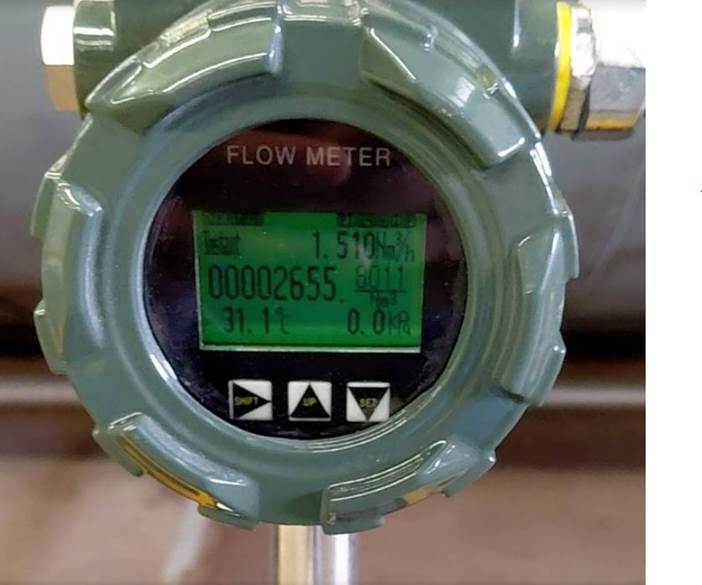
Fuel systems — SH-CMF-FE Micro Coriolis mass flow meter
The SH-CMF-FE is a Micro Coriolis mass flow meter capable of measuring both liquid and gas flows. It operates on the Coriolis principle, which means mass is measured directly rather than inferred from volume, so density changes caused by temperature or fuel blending do not require a separate correction step.
Key specifications:
- Flow range: 40 g/h to 1000 kg/hr
- Accuracy: ±0.25% to ±0.5%
- Pressure rating: 30 bar or 100 bar
- Wetted material: stainless steel 316L
- Outputs: 4–20 mA, 0–5 VDC, or 1–5 VDC
- Communication: RS485 or RS232
- Power supply: 15 V DC or 24 V DC
The meter is classified as a high pressure and high temperature Coriolis flow meter. The media it handles include pure water, silicone, aviation kerosene, diesel, and supercritical CO2, and silane. Its stated application industries are fuel cell technology, semiconductor processing, fermentation equipment, and the food, (petro)chemical and pharmaceutical industries.
For fuel cell technology specifically, this combination — a 40 g/h lower limit, direct mass measurement, and 316L wetted parts — is what makes the meter suitable for reagent and fuel dosing duties where a volumetric meter would lose accuracy at low flow.
Wider fuel and liquid duties — SH-CM Coriolis mass flow meter
Where a plant needs one platform to cover both low-flow and high-capacity fuel duties, the SH-CM Coriolis mass flow meter spans approximately 10 kg/hr to 1500 t/h, with meter sizes from approximately 1 mm to 300 mm. Fluid temperature range is −200 to 350 °C and the protection level is IP65, which matters for outdoor installation exposed to weather and washdown.
The SH-CM is ATEX certified and constructed from stainless steel 316L. Communication options include 4–20 mA, pulse, frequency, MODBUS RTU, HART, Profibus-DP, and Profibus-PA — a wide enough set to integrate with most DCS and PLC architectures used in power generation. Its stated industries include power generation alongside oil & gas, chemical & petrochemical, food & beverage, pharmaceutical & biotech, mining, pulp & paper, water & wastewater, marine & shipbuilding, and semiconductor & electronics.
Gas-side trace flows — SRK-DL low flow thermal mass flow meter
The SRK-DL is a low flow thermal mass flow meter designed for micro flow measurement applications, classified as a high temperature thermal mass flow meter. Its flow range is 2 sccm to 30 SL/M with an accuracy of ±1% F.S. The body is stainless steel, power supply options are ±15 VDC and 24 VDC, communication is RS232/485 with MODBUS, and output signals are 0–5 V, 4–20 mA, and 1–5 V.
The SRK-DL is intended for environmental monitoring, fuel cell, analytical instruments, medical, and semiconductor applications — the gas-side counterpart to the liquid fuel duties handled by Coriolis meters.
Step-by-Step Breakdown: Specifying a Low Flow Meter for a Power Generation Duty
The sequence below follows the order in which the decisions actually constrain each other. Changing an early decision usually forces a change in a later one.
- Decide whether the output must be mass or volume. Steam energy accounting and fuel consumption billing are mass duties. If the answer is mass, vortex with compensation or Coriolis are the natural candidates; volumetric principles require density correction afterwards.
- Establish the fluid state at the meter. For steam, confirm whether the line runs saturated or superheated steam and what the maximum temperature will be — the STLU-VFN covers saturated and overheated steam up to 500 °C. For fuels, confirm the actual product (diesel, aviation kerosene, ethanol blend, biofuel) and the temperature window, which can span −40 °C to 80 °C.
- Size the line and check turndown. Confirm the pipe size against the meter's supported range: DN15–DN300 for the STLU-VFN, and approximately 1 mm to 300 mm for the SH-CM. Then check the low-flow operating point, not just the design maximum.
- Confirm compensation requirements. Steam mass flow needs temperature and pressure compensation. The STLU-VFN includes this internally, which removes an integration step and a potential source of error.
- Check the environment and certification. Fuel areas typically require hazardous-area approval. The STLU-VFN is ATEX approved and the SH-CM is ATEX certified. Where the meter is installed outdoors or subject to washdown, confirm ingress protection — the SH-CM carries IP65.
- Match materials and process connection. Steam meters in this range use stainless steel 304 sensors, with 304 or 316 body options, and can be supplied with flange, wafer, screw, or tri-clamp connections. Coriolis meters use 316L wetted parts for corrosive and high-purity media.
- Verify the signal path into the control system. Match the meter output to the plant architecture: 4–20 mA, pulse, or frequency for straightforward loops; RS485 or MODBUS RTU for digital networks; HART, Profibus-DP, or Profibus-PA where the site already uses those buses.
Quick decision rule
If the fluid is steam and the output must be kg/h or t/h, start with a vortex steam mass flow meter with built-in compensation. If the fluid is a fuel or gas and the flow is measured in grams per hour to a few hundred kilograms per hour, start with a Coriolis or thermal mass meter. If the same site needs both micro flows and bulk flows in the same fluid family, select a Coriolis platform whose size range spans both, such as the SH-CM.
Use Cases
1. High-temperature steam mass flow in power generation and district heating
This is the classic installation behind the STLU-VFN. The documented application profile covers high-temperature steam flow measurement on large pipelines such as 4", 6", 8" or 10", with the meter displaying steam mass flow rate in kg/hr or t/h. Two special conditions define the duty: saturated steam with varying moisture content, and superheated steam at high temperature. Both require temperature and pressure compensation to produce a true mass flow value. The meter runs in continuous operation and integrates with DCS/PLC control systems on the steam pipeline.
2. Fuel cell technology and process benches
Fuel cell development and production lines measure reagent flows far below the range of a general-purpose meter. The SH-CMF-FE covers 40 g/h to 1000 kg/hr at ±0.25% to ±0.5% accuracy and is listed for fuel cell technology among its application industries, alongside semiconductor processing and fermentation equipment. Because it measures mass directly, a change in feed gas composition or temperature does not create a density-dependent error in the reading. The same meter family handles the liquid side of test benches, including aviation kerosene and diesel as listed media.
3. Diesel generator fuel monitoring and custody transfer
Diesel flow measurement in power generation covers generator fuel usage monitoring for cost control and reliability, as well as custody transfer at depots and terminals. The measurement window is wide: flow rates from litres per hour to hundreds of cubic metres per hour, pressures from gravity flow up to 100 bar for engine feed and up to 500 bar in high-pressure common rail systems, and temperatures from −40 °C to 80 °C. Custody transfer requires accuracy of ±0.5% or better with legal approval, and hazardous-area installations require Ex d or Ex ia certification. The SH-CM platform, with its approximately 10 kg/hr to 1500 t/h span, ATEX certification, and IP65 enclosure, is positioned for these duties.

4. Aviation kerosene handling
Aviation kerosene appears explicitly in the media list of the SH-CMF-FE Micro Coriolis mass flow meter, alongside diesel, silicone, pure water, and supercritical CO2. Kerosene handling sits in the same accuracy class as diesel custody work: the fluid is a low-viscosity liquid, the flow can be small during test or dosing operations, and the value being purchased or consumed is a mass, not a volume. Direct mass measurement avoids the density correction that a volumetric meter would need as fuel temperature changes.
Comparison Table: Low Flow Metering Options for Power Generation
| Model | Sensing principle | Flow range | Temperature | Certification & protection | Typical power generation duty |
|---|---|---|---|---|---|
| STLU-VFN | Vortex (steam mass flow) | Pipeline sizes DN15–DN300 | Saturated and overheated steam up to 500 °C | ATEX approved; built-in temperature and pressure compensation; stainless steel 304 sensor | Steam mass flow for energy management, process control and district heating |
| SH-CMF-FE | Coriolis (Micro Coriolis) | 40 g/h – 1000 kg/hr | High pressure / high temperature Coriolis class | Not listed for this model in the specifications used here | Fuel cell technology, diesel and aviation kerosene handling, chemical and pharmaceutical dosing |
| SH-CM | Coriolis | ~10 kg/hr – 1500 t/h; sizes ~1 mm – 300 mm | −200 to 350 °C | ATEX certified; IP65; stainless steel 316L | Diesel and fuel mass flow, gas mass flow, cryogenic and high-pressure duties |
| SRK-DL | Thermal mass | 2 sccm – 30 SL/M | High temperature thermal mass class; stainless steel body | Accuracy ±1% F.S; RS232/485 and MODBUS | Trace gas flows in fuel cell, analytical instrument, medical and semiconductor systems |
Read the table as a duty-matching matrix rather than a ranking. Each model covers a different fluid and range band; the correct choice is the one whose principle matches the fluid state and whose range brackets the actual operating point, not the design maximum.
FAQ
Is the STLU-VFN steam mass flow meter ATEX approved, and does that matter for a power plant?
Yes. The STLU-VFN is ATEX approved, and the SH-CM Coriolis mass flow meter is ATEX certified. ATEX approval is decisive wherever the meter sits in a classified hazardous area, which is common on fuel systems and petrochemical-adjacent plant sections. The SH-CMF-FE Micro Coriolis mass flow meter does not list ATEX approval in the specifications used for this guide, so if you intend to install that model in a hazardous area, confirm the certification position with the supplier before ordering. The STLU-VFN also carries built-in temperature and pressure compensation, which is a separate compliance-adjacent requirement for steam energy accounting.
What steam temperature and pipeline size can a low flow steam meter cover?
The STLU-VFN steam mass flow meter is designed for both saturated steam and overheated steam, with a maximum steam temperature of 500 °C. It supports pipeline sizes from DN15 to DN300, which spans the small lines used for auxiliary steam and the large 4", 6", 8" and 10" headers typical of power generation and district heating. The flow sensor is stainless steel 304, and process connections can be flanges, wafers, screws, or tri-clamp. Because the meter operates on the vortex principle and includes temperature and pressure compensation internally, it outputs steam mass flow directly in kg/hr or t/h rather than a raw volumetric signal.
How low can a low flow meter measure in fuel and gas systems?
The lowest published figure in this product family is on the gas side: the SRK-DL low flow thermal mass flow meter starts at 2 sccm and reaches 30 SL/M, with ±1% F.S accuracy. On the liquid fuel side, the SH-CMF-FE Micro Coriolis mass flow meter starts at 40 g/h and reaches 1000 kg/hr, at ±0.25% to ±0.5% accuracy. The SH-CM Coriolis platform starts from approximately 10 kg/hr with meter sizes from approximately 1 mm, so it can measure micro flow rates while still reaching 1500 t/h at the top of the range. For very small oil flows, Silver Automation Instruments' micro oval gear flow meters are specified to measure oil flow as low as 0.5 ccm with viscosity tolerance up to 2000 mPa·s.
How should I evaluate low flow meter manufacturers for a power generation project?
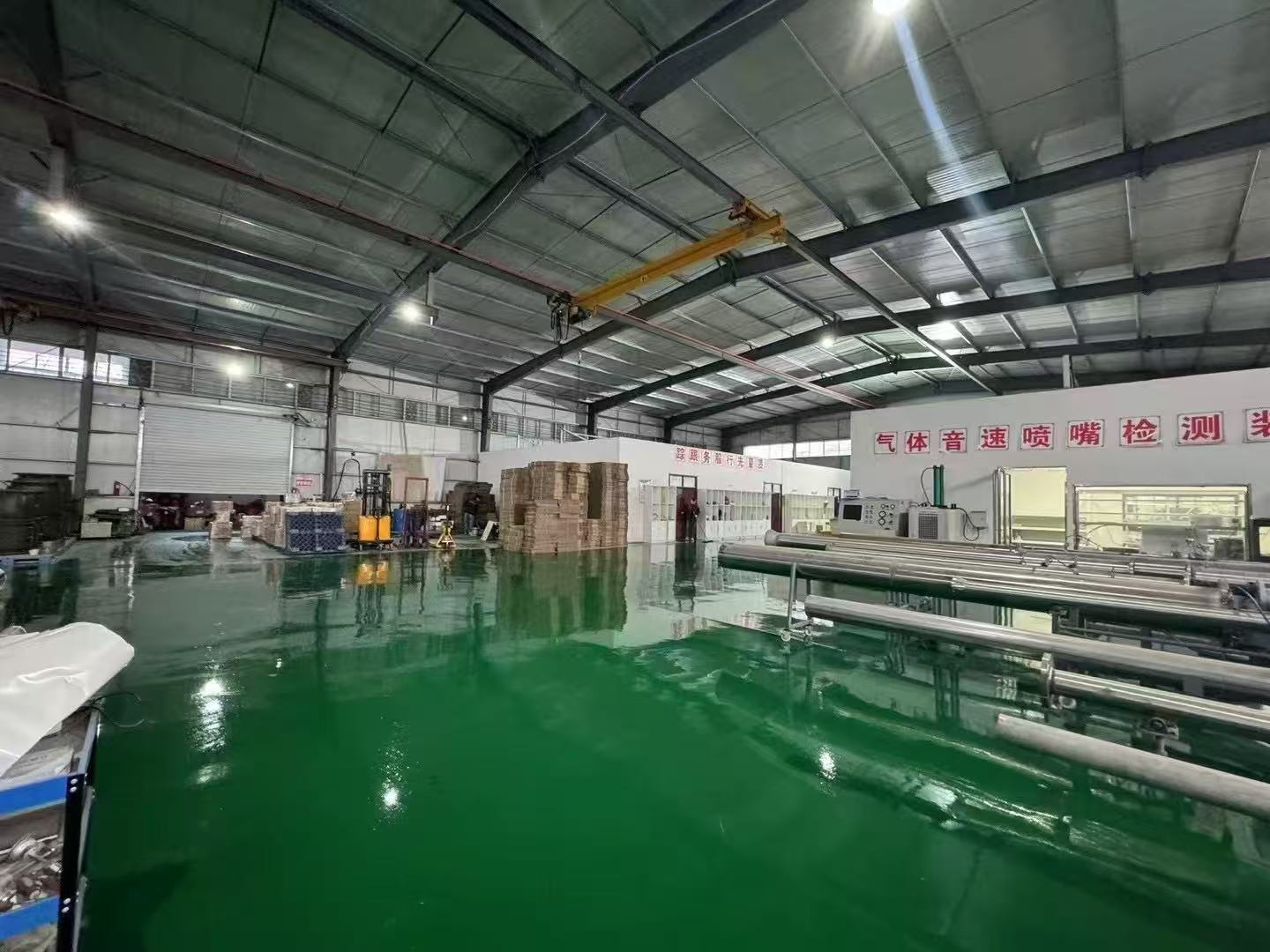
Compare manufacturers on the items that constrain the installation rather than on brand recognition alone: whether the flow range brackets your real low-flow operating point, whether the principle suits the fluid state (steam versus liquid fuel versus gas), whether temperature and pressure compensation is built in or added externally, whether the required certification is held, whether the wetted materials match the media, and whether the output and communication protocol fit your DCS or PLC. On the supply side, Silver Automation Instruments was established in 2010, operates a 10,000 m² manufacturing facility with approximately 80 staff and a 20-engineer R&D team, and has an annual production capacity of 60,000 units; export business accounts for 95% of total sales, with main markets in Southeast Asia, South America, and Africa. Third-party trade data recorded approximately 91 export shipments to 36 international buyers in 2024. Other publicly identified participants in the high-precision segment include Honeywell, Emerson, and Siemens, with Bronkhorst High-Tech recognized as a major supplier in ultra-low flow Coriolis meters for laboratory and OEM work — useful context when you are setting your own shortlist.
Can I request a sample or test unit before ordering, and how long does delivery take?
Yes. Sample and test-unit requests, along with specification reviews for a specific steam or fuel duty, can be raised directly with the manufacturer. Silver Automation Instruments provides free expert consultation to match a measurement solution to your media, temperature, pressure, and line size before purchase. Most orders ship in 7–10 working days, and the company profile notes fully customizable configurations, including special sensor ranges and output signals, where a standard model does not fit. To start, contact Silver Automation Instruments with your application data or download the product catalogue below.
Conclusion: Match the Principle to the Duty
Low flow metering in power generation resolves into a small number of clean decisions. Steam duties need direct mass measurement at high temperature, which is why a vortex-type steam mass flow meter with built-in temperature and pressure compensation — the STLU-VFN, up to 500 °C and DN15–DN300 — is the practical starting point. Fuel duties need direct mass measurement at small rates with stable accuracy through density and temperature changes, which is where Coriolis instruments such as the SH-CMF-FE (40 g/h to 1000 kg/hr, ±0.25% to ±0.5%, 30 or 100 bar) and the wider-range SH-CM (approximately 10 kg/hr to 1500 t/h, IP65, ATEX certified) do the work. Trace gas flows fall to the SRK-DL thermal mass meter, from 2 sccm to 30 SL/M.
The market backdrop supports the same conclusion from the other direction: thermal and Coriolis segments are expanding, the 2-inch and smaller line segment is forecast to grow fastest through 2030, and Asia-Pacific remains the largest regional market. What determines success at the plant level, however, is not the segment growth rate — it is whether the selected instrument's principle, range, compensation, certification, and wetted materials match the actual fluid at the actual operating point.
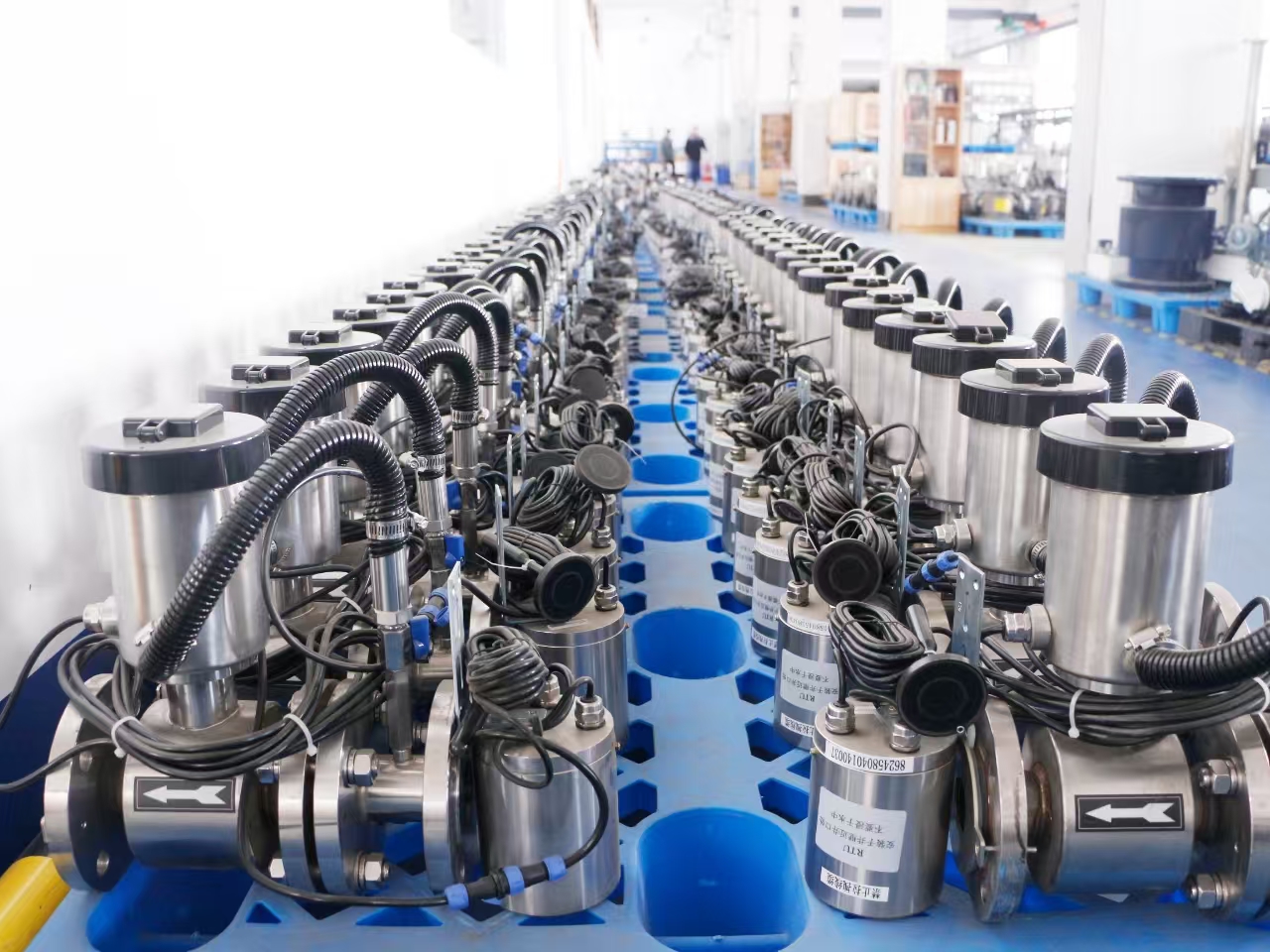
Next Step: Sample, Quote, or Specification Review
Send your medium, temperature, pressure, line size, and required output, and Silver Automation Instruments will recommend the matching low flow meter for your steam or fuel system. Sample requests, budget quotes, and pre-order specification reviews are welcome.
Website: www.silverinstruments.com
Email: sales@silverinstruments.com
WhatsApp: +86 18936759191
Phone: +86 25-52155837
Address: No. 108 Jiang dong Middle Road, Jian ye District, Nanjing, Jiangsu
Download the Silver Automation Instruments product catalogue (PDF)
Have Questions or Need More Details?
Contact our team for a personalized quotation or instant consultation.
Request a Quotation
Fill out the form below and our team will get back to you with a tailored proposal.
WhatsApp Direct Chat
Prefer to chat in real-time? Message us on WhatsApp for instant assistance & quick answers.
- Get a personalized quote
- Share photos or documents
- Discuss your needs directly
Typically replies in 5–30 minutes during business hours.