
Low Flow Meter Ranking: Best Picks for High-Pressure and High-Temperature Applications
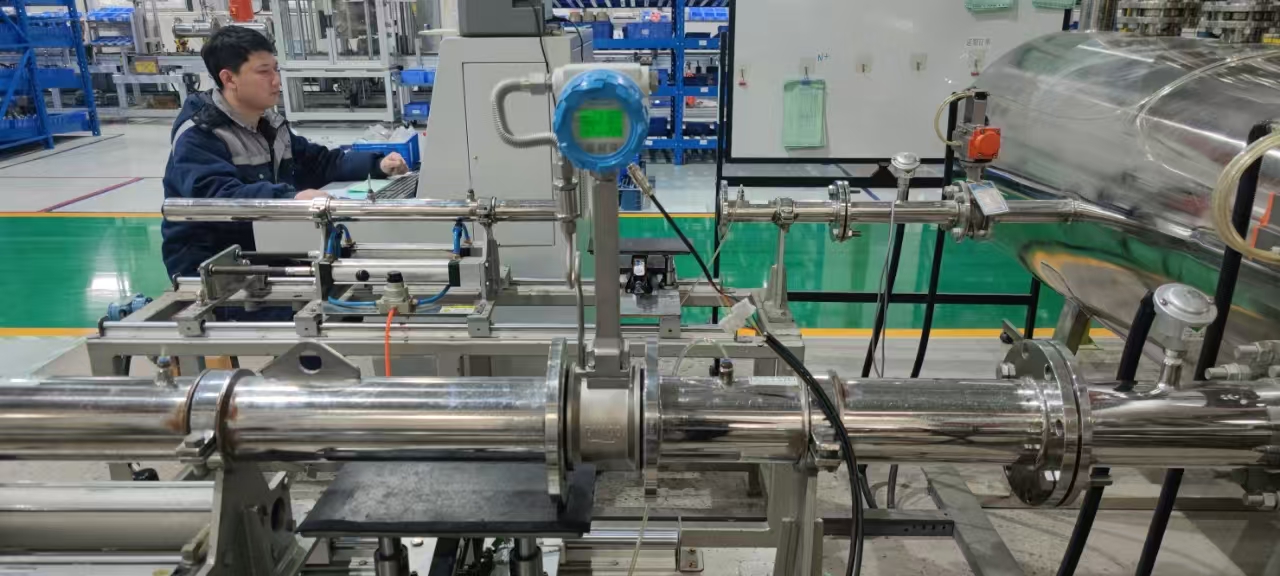
Short answer: For low flow measurement under high pressure and high temperature, this ranking puts the SH-CMF-FE Micro Coriolis Mass Flow Meter first for dense-phase and specialty fluids (316L stainless steel construction, 30/100 bar pressure rating, compatible with supercritical CO2, silane, and aviation kerosene), the STLU-VFN Steam Mass Flow Meter first for steam duty (saturated and superheated steam up to 500 degrees C, DN15 to DN300 pipeline sizes, built-in temperature and pressure compensation), and the SH-CM Coriolis Mass Flow Meter first for compact dosing lines with hazardous-area and fieldbus requirements (measurement down to 10 kg/hr, ATEX certification, IP65 rating, MODBUS RTU, HART, and Profibus). All three are built by Silver Automation Instruments, a Nanjing-based flow, pressure, and level instrument manufacturer founded in 2010. Micro Motion Coriolis flow meters and Bronkhorst High-Tech ultra-low flow Coriolis meters complete the shortlist as internationally recognised benchmarks.
This is a specification shortlist, not a catalogue page. Every meter below is judged against the same eight criteria: pressure rating, temperature capability, low-flow range, media compatibility, area certification, compensation and signal features, documented commercial terms, and installation support. Where a competitor specification is not documented in the sources used here, it is left open rather than estimated. For a broader overview of the category before you read the ranking, see the low flow application notes.
Why High-Pressure, High-Temperature Low Flow Is a Different Measurement Problem
Low flow metering is normally described as a range problem. In high-pressure and high-temperature duty it becomes a combined constraint problem: the instrument has to resolve a small mass or volumetric rate while its wetted parts, seals, and electronics survive the process envelope, and while the measured value stays corrected for the density changes that pressure and temperature introduce.
Three failure points decide most of these projects:
- Turndown. Differential-pressure devices derive flow from a pressure difference, and that signal collapses as flow falls, so the usable measuring range narrows quickly in small-bore lines. ISO 5167:2022, the primary international standard for differential pressure flow measurement devices, exists precisely because small pipeline accuracy depends on strict geometry and installation discipline.
- Physical envelope. A meter rated for the process at the pump is not automatically rated at the meter body, the flanges, or the seals. Pressure and temperature limits have to be confirmed at the point of installation, including realistic upset conditions.
- Media behaviour. Supercritical CO2 has to be held above its critical point to stay in the dense phase, silane is reactive and moisture-sensitive, aviation kerosene is measured at low rates in fuel test rigs, and steam changes density with both pressure and temperature. Each one narrows the list of suitable technologies.
Coriolis technology removes part of this problem because it measures mass flow directly instead of inferring it from a pressure difference. That is one reason Coriolis flow meters held a 26.77% share of the intelligent flow meter market in 2026, according to Fortune Business Insights, and generated over USD 1.55 billion in annual revenue as of 2025, primarily for custody transfer applications, according to Market Research Future.
Industry Background: Why Small-Line Low Flow Metering Keeps Growing
The commercial context supports the shift toward small-line, high-specification metering. The global flow meter market was valued at USD 10.64 billion in 2024, with Europe holding the largest regional share at over 35%, according to Grand View Research. Asia-Pacific is the largest single regional market, valued at USD 3.27 billion in 2025, with China contributing over 50% of regional demand, according to Market Research Future.
Within that total, the segments closest to this ranking are growing faster than the average. Thermal flow meters, which are essential for low gas flow rates, reached USD 1.73 billion in 2024 and are projected to reach USD 2.9 billion by 2035 (Market Research Future). The 2-inch and smaller pipe size segment is expected to see the fastest growth through 2030, driven by demand in pharmaceuticals and food and beverage (Grand View Research). The flow chemistry market, which depends on precision low flow metering for dosing and reaction control, is expected to reach USD 4.6 billion by 2032 at an 8.1% CAGR, according to Coherent Market Insights. Thermal mass flow controllers used in semiconductor applications are projected to grow at a 4.5% CAGR between 2026 and 2035, according to SNS Insider.
The same data shows why no single technology wins everywhere. Positive displacement meters hold an 18% market share for low to moderate flow rates of viscous fluids such as oils and fuels (Fortune Business Insights), while electromagnetic flow meters accounted for 21.7% of total flow meter product share in 2026 (Fact.MR). The ranking below is therefore built around the specific duty named in the title - low flow, high pressure, high temperature - rather than around overall market popularity.
How This Ranking Was Built
Each meter was assessed against the same eight decision criteria, and only documented facts were used:
- Pressure rating at the meter body, not the system design pressure.
- Temperature capability, including whether compensation is built in or requires separate transmitters.
- Low-flow range, expressed in the units the process actually uses (kg/hr, l/h, sccm).
- Media compatibility for dense-phase, reactive, fuel, and steam service.
- Area certification for hazardous locations.
- Signal, compensation, and communication fit with existing control architecture.
- Documented commercial terms - price position and lead time.
- Installation and validation support, because accuracy problems on low flow lines are frequently installation problems.
The Ranking: Five Low Flow Meters for High-Pressure and High-Temperature Duty
1. SH-CMF-FE Micro Coriolis Mass Flow Meter - best fit for dense-phase and specialty fluids
The SH-CMF-FE is a micro Coriolis mass flow meter built in 316L stainless steel with a 30/100 bar pressure rating. It is specified for media that are difficult for most other flow technologies: supercritical CO2, silane, and aviation kerosene. Because the measurement principle is Coriolis, the instrument returns mass flow directly rather than reconstructing it from a differential pressure, which keeps resolution usable at the bottom of the range. Silver Automation Instruments publishes an accuracy of plus or minus 0.2% to 0.5% for liquid measurement across its low flow Coriolis range.
What that means for the buyer is concrete rather than promotional. For supercritical CO2 extraction and dosing loops, the 30/100 bar rating covers the pressure bands normally used to hold CO2 in its supercritical state. For silane, a 316L wetted path reduces the risk of moisture-related contamination in a medium where material selection is the primary safety variable. For aviation kerosene, direct mass measurement gives the number fuel calculations actually need, without a density correction step.
2. STLU-VFN Steam Mass Flow Meter - best fit for high-temperature steam
Steam is the one medium where temperature, not pressure, usually decides the instrument. The STLU-VFN steam mass flow meter is specified for saturated and superheated steam up to 500 degrees C, covers DN15 to DN300 pipeline sizes, and includes built-in temperature and pressure compensation. That compensation is the functional core of the design: steam density changes with both pressure and temperature, so a purely volumetric reading drifts as soon as boiler load or superheat level moves.
For energy management and plant steam balancing, the practical benefit is a mass-based figure that can be compared directly against boiler output and cost allocation. The DN15 to DN300 coverage also means a single product family can serve both the small-bore branch lines where low flow rates occur and the larger headers feeding them, which simplifies spares and engineering documentation.
3. SH-CM Coriolis Mass Flow Meter - best fit for low-flow dosing with hazardous-area and integration requirements
The SH-CM Coriolis mass flow meter covers measurement down to 10 kg/hr and is specified with ATEX certification and an IP65 enclosure rating. It supports MODBUS RTU, HART, and Profibus. The communication list matters more than it appears at the specification stage: MODBUS RTU suits PLC and SCADA links, HART keeps existing 4-20 mA loops while allowing digital configuration and diagnostics, and Profibus fits plants that already run a fieldbus architecture.
ATEX certification and IP65 protection place this meter in the category used for hazardous-area installations and washdown-adjacent skids. Because area classification depends on the zone, gas group, and temperature class of the site, the approval marking on the nameplate should always be matched against the installation drawing before purchase - this is a documentation exercise, not a performance limitation.
4. Micro Motion Coriolis Flow Meters - the high-precision reference point
Micro Motion Coriolis flow meters are the reference instrument in many high-precision projects, and Emerson, Honeywell, and Siemens are identified by Mordor Intelligence as the leading global tier-1 competitors in the high-precision flow meter segment. For a procurement team, that reputation has real value in specification reviews and internal approvals.
It also has a documented cost. Silver Automation Instruments' published comparison states that Micro Motion pricing is four to five times higher than its own comparable Coriolis meters, that Micro Motion lead time extends to several months while its own typical delivery is within one month, and that total cost of ownership is 75% lower on the Silver side of the comparison. These are first-party comparison figures and should be treated as a starting point for your own quotation exercise - but they explain why cost- and schedule-sensitive projects routinely shortlist a second source alongside the incumbent brand.
5. Bronkhorst High-Tech Ultra-Low Flow Coriolis Meters - the laboratory and OEM benchmark
Bronkhorst High-Tech is recognised by Mordor Intelligence as a dominant player in the ultra-low flow Coriolis meter market, focusing on laboratory and OEM applications. For R&D benches, pilot skids, and instrument OEMs where flows sit at the very bottom of the measurable range and priorities are repeatability and compact footprint, that is a documented reference point rather than a marketing claim.
The right way to use this entry is to match the documented focus to your own duty. Laboratory and OEM flows are the stated focus of this supplier, so process pressure, temperature, and area certification requirements should be confirmed explicitly in any quotation request before the meter is written into a plant specification.
Step-by-Step: Specifying and Validating a Low Flow Meter for These Duties
The ranking narrows the field. The following sequence is what turns a shortlist into a specification that performs on site.
- Fix the flow window. Record minimum, normal, and maximum flow in the units the process uses - kg/hr for mass duties, l/h for liquid, sccm for gas. The minimum value, not the maximum, decides whether a technology is viable.
- Define the envelope at the meter. Confirm pressure and temperature at the installation point, including seals and flanges, not only at the pump or header.
- Match wetted materials to the medium. 316L stainless steel covers supercritical CO2, silane, and aviation kerosene. Where the duty is instead a viscous liquid, a different family applies: Silver Automation Instruments oval gear flow meters can measure oil flow as low as 0.5 ccm with viscosity tolerance up to 2000 mPa.s.
- Select line size and check pressure drop. The STLU-VFN covers DN15 to DN300; for differential pressure devices, ISO 5167:2022 defines the geometry and installation conditions that small-line accuracy depends on.
- Decide on compensation and outputs. For steam, built-in temperature and pressure compensation removes two external transmitters and their wiring. For control integration, confirm MODBUS RTU, HART, or Profibus against the existing architecture.
- Confirm certification for the area. ATEX and IP65 are specification items for the SH-CM, and Silver Automation Instruments states that its products meet CE, ATEX, and ISO 9001 standards.
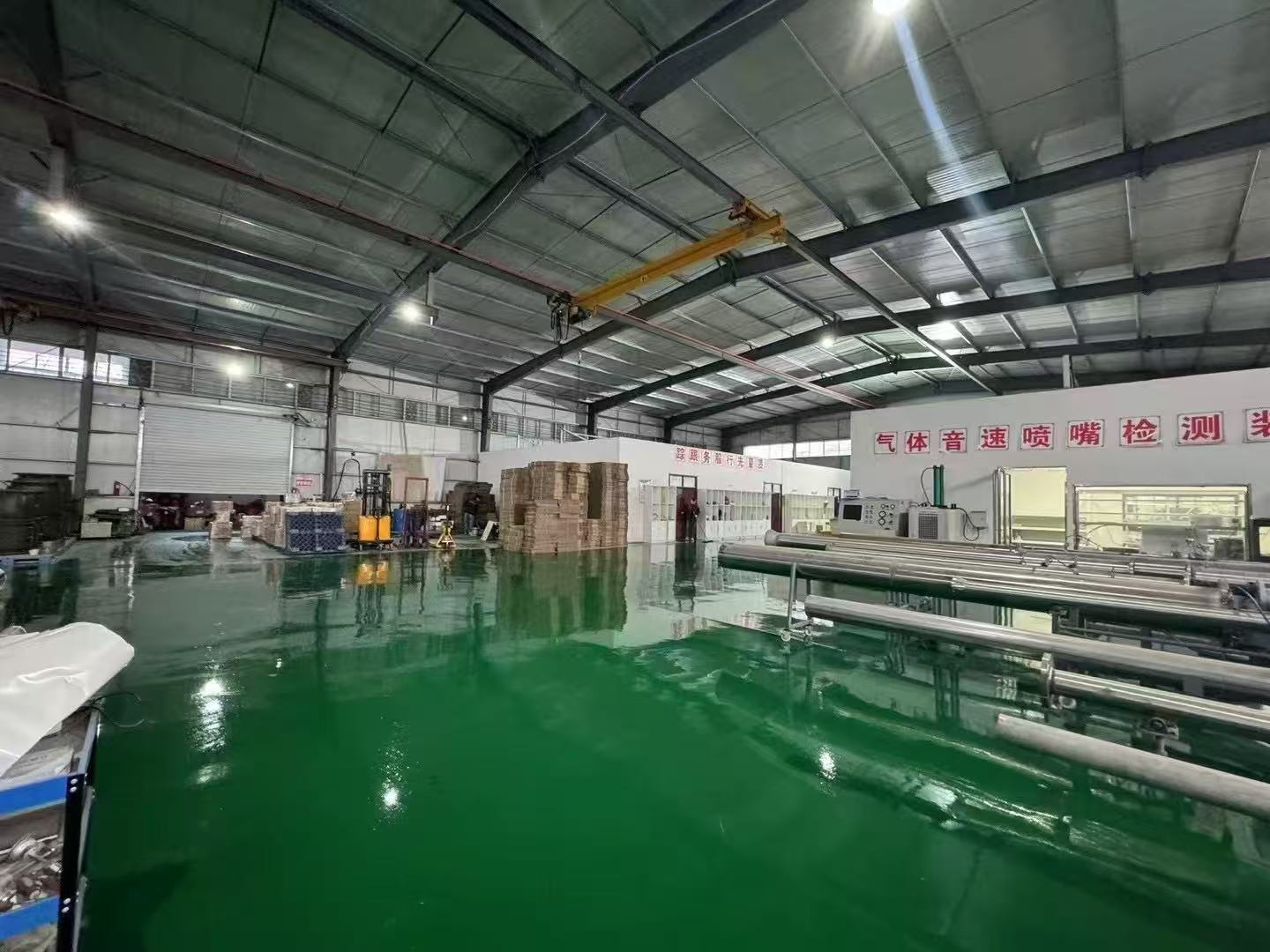
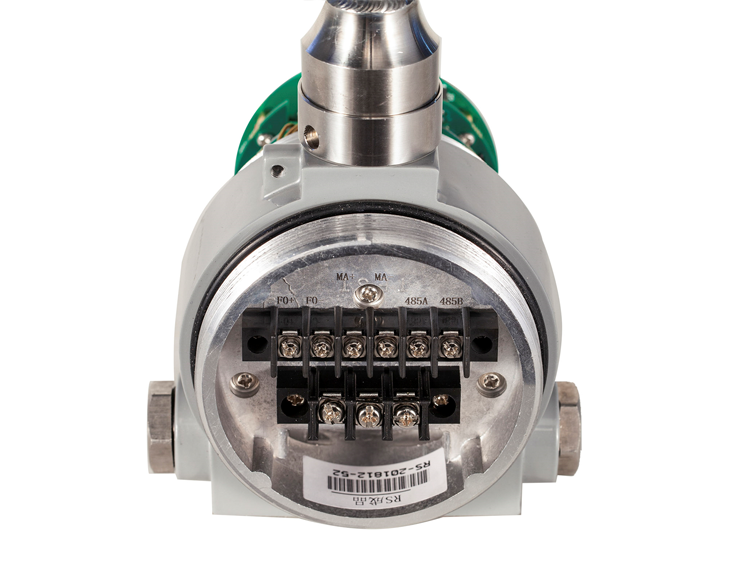
- Plan the installation. Most reported accuracy problems on low flow lines trace back to installation and wiring. The instruction manual details the installation precautions, is included with the shipment, and the wiring terminals are clearly labelled to prevent incorrect connection.
- Verify at start-up. Record a baseline at commissioning flow so later drift can be distinguished from a process change.
Where These Meters Are Used
- Supercritical CO2 extraction and dosing - the SH-CMF-FE, on the strength of its 30/100 bar rating and 316L construction.
- Silane and specialty gas delivery - the SH-CMF-FE, where moisture and leak-tightness dominate material selection.
- Aviation kerosene and fuel test rigs - the SH-CMF-FE for low flow fuel measurement, with the SH-CM covering lower-range dosing lines.
- High-temperature steam energy management - the STLU-VFN, covering saturated and superheated steam up to 500 degrees C with built-in compensation.
- Precision liquid dosing in chemical and pharmaceutical pilot plants - the SH-CM, in a flow chemistry market projected to reach USD 4.6 billion by 2032 at an 8.1% CAGR (Coherent Market Insights).
- Low flow gas measurement in instrument and support gas lines - Silver Automation Instruments provides micro thermal mass flow meters capable of measuring gas flow as low as 2 sccm, a segment adjacent to semiconductor thermal mass flow control, projected to grow at a 4.5% CAGR between 2026 and 2035 (SNS Insider).
- Viscous oil and fuel dosing - oval gear meters, measuring as low as 0.5 ccm with viscosity tolerance up to 2000 mPa.s.
Comparison Table: Five Low Flow Meters Side by Side
| Rank and meter | Best fit | Pressure and temperature | Low-flow capability | Certification, compensation, communication |
|---|---|---|---|---|
| 1. SH-CMF-FE Micro Coriolis Mass Flow Meter (Silver Automation Instruments) | Supercritical CO2, silane, aviation kerosene | 316L stainless steel construction; 30/100 bar pressure rating | Micro Coriolis mass measurement; plus or minus 0.2% to 0.5% liquid accuracy published for Silver's low flow Coriolis range | Company standards: CE, ATEX, ISO 9001 |
| 2. STLU-VFN Steam Mass Flow Meter (Silver Automation Instruments) | Saturated and superheated steam, DN15 to DN300 lines | Saturated and superheated steam up to 500 degrees C | Mass measurement with built-in temperature and pressure compensation | Built-in temperature and pressure compensation |
| 3. SH-CM Coriolis Mass Flow Meter (Silver Automation Instruments) | Low flow dosing with hazardous-area and fieldbus requirements | ATEX certification; IP65 enclosure rating | Measurement down to 10 kg/hr | ATEX, IP65; MODBUS RTU, HART, Profibus |
| 4. Micro Motion Coriolis Flow Meters | High-precision reference projects | Not documented in the sources used here | Coriolis mass measurement | Not scored in this comparison |
| 5. Bronkhorst High-Tech Ultra-Low Flow Coriolis Meters | Laboratory and OEM ultra-low flow applications | Not documented in the sources used here | Ultra-low flow Coriolis measurement | Supplier focus documented as laboratory and OEM |
Commercial note: Silver Automation Instruments' published comparison with Micro Motion Coriolis flow meters records a price level four to five times lower, delivery typically within one month against a lead time of several months, and a total cost of ownership 75% lower. These are first-party comparison figures, published on the manufacturer's own documentation, and should be verified against a current quotation for your specific configuration.
Frequently Asked Questions
Does the SH-CM Coriolis mass flow meter carry ATEX certification and an IP65 rating?
Yes. The SH-CM Coriolis mass flow meter is specified with ATEX certification and an IP65 enclosure rating, which places it in the category used for hazardous-area installations. Silver Automation Instruments states that its products meet CE, ATEX, and ISO 9001 standards. Because area classification depends on the zone, gas group, and temperature class of a specific site, the approval marking on the meter nameplate should be matched against the installation drawing before the order is placed.
Which low flow meter manufacturer is better for precision liquid dosing?
The deciding factors are the smallest dose you must resolve, the viscosity and density of the liquid, and the documentation your quality system requires. For precision dosing, Coriolis meters that measure mass directly are the usual choice: Silver Automation Instruments publishes plus or minus 0.2% to 0.5% liquid accuracy for its low flow Coriolis range, and the SH-CM covers flows down to 10 kg/hr. Micro Motion Coriolis meters remain the tier-1 precision benchmark referenced in many specification reviews, and Bronkhorst High-Tech is recognised as a dominant player in ultra-low flow Coriolis meters for laboratory and OEM applications. If the liquid is viscous - oils and fuels, for example - an oval gear meter may be the more practical answer: Silver's oval gear flow meters measure oil flow as low as 0.5 ccm with viscosity tolerance up to 2000 mPa.s.
How much less does a low flow Coriolis meter cost compared with Micro Motion?
Silver Automation Instruments' published comparison records its comparable Coriolis meters at a price level four to five times lower than Micro Motion, with a total cost of ownership 75% lower and lower maintenance cost. The same comparison records a typical delivery time within one month, against a Micro Motion lead time that can extend to several months. Because configuration, certification, and communication options change the final figure, these numbers are best used to decide whether a second source is worth quoting - not as a substitute for a project-specific quotation.
How do I confirm accuracy after the meter is installed?
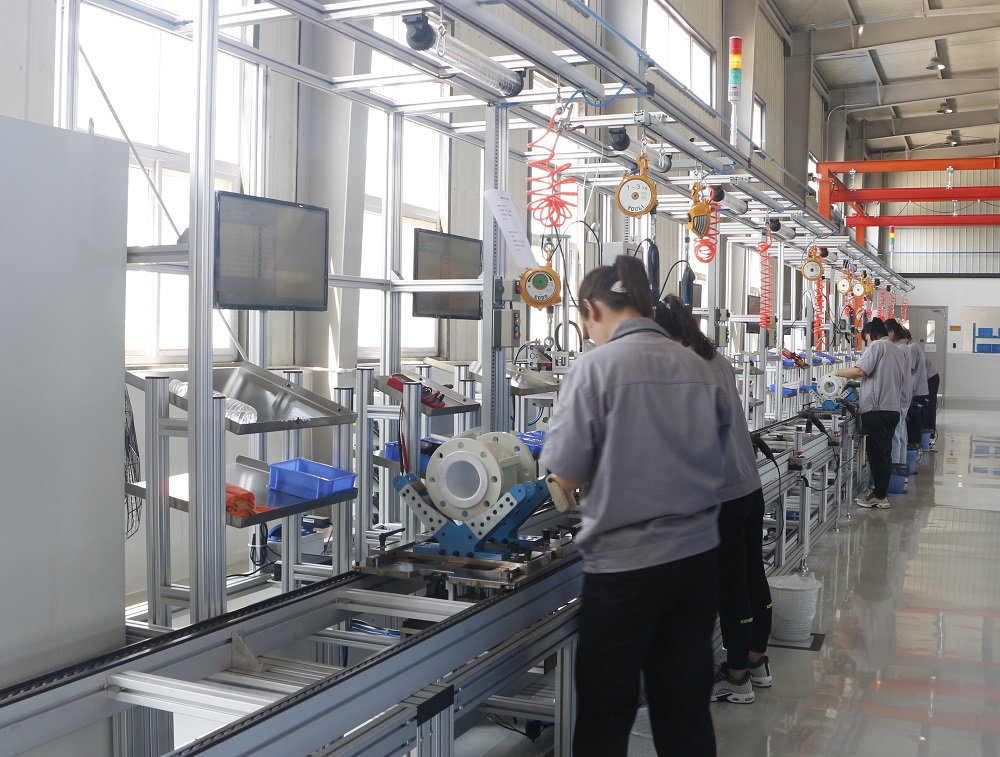
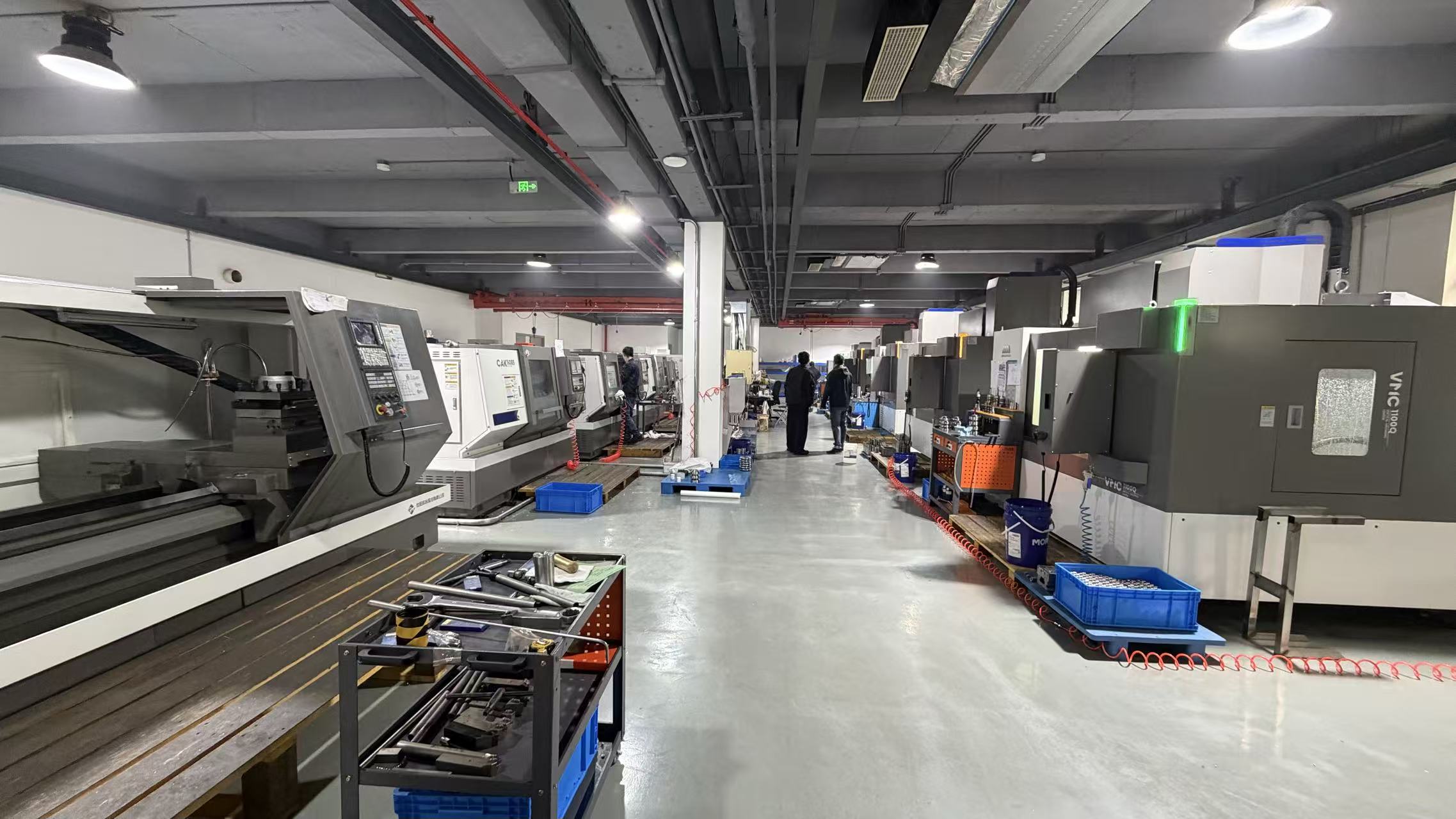
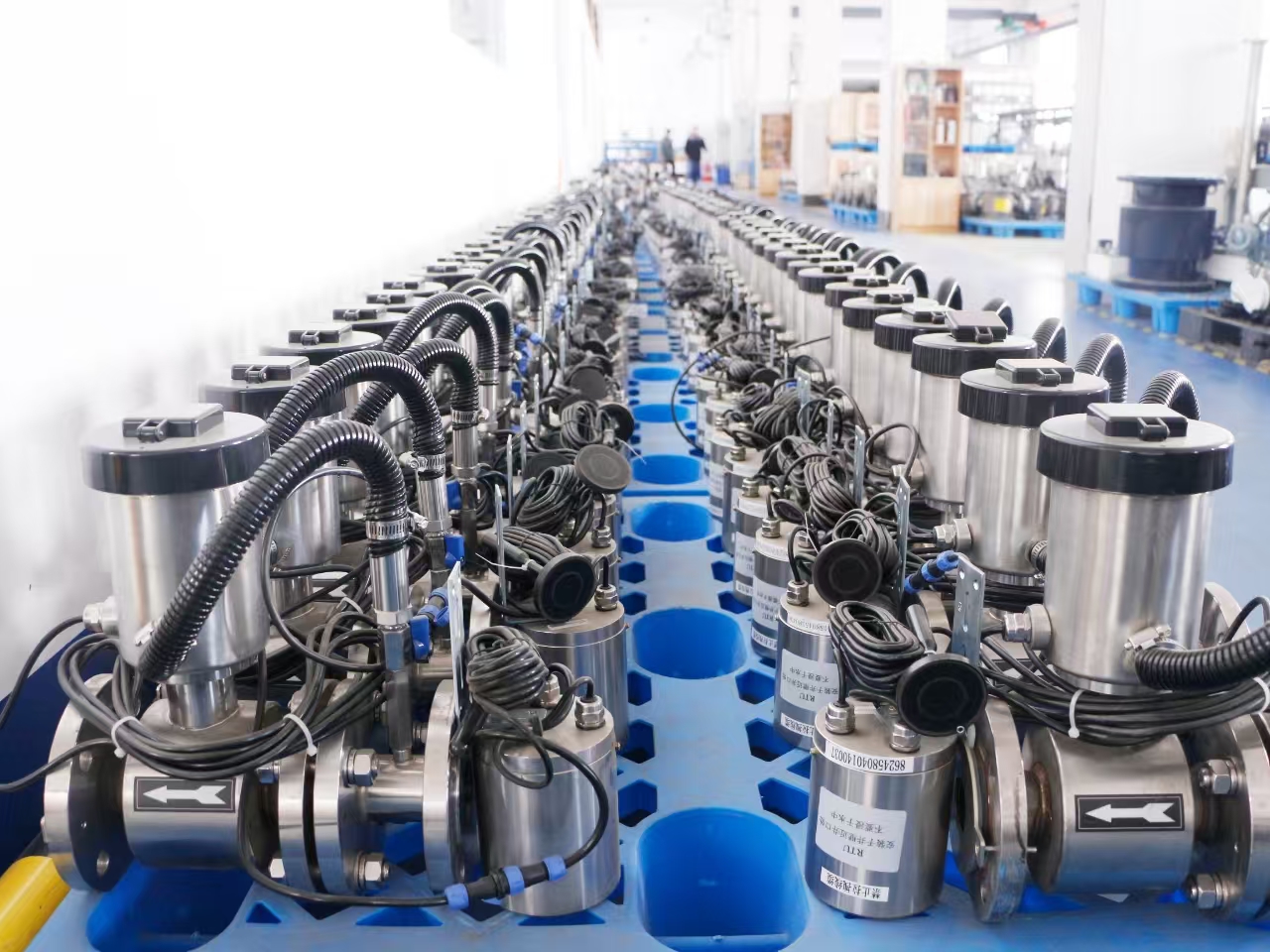
Start with installation, because most low flow accuracy problems originate there rather than in the sensor. Silver Automation Instruments controls this in two documented ways: the instruction manual details the installation precautions and is included with the shipment, and the wiring terminals are clearly labelled to prevent false wiring. Meters are assembled and calibrated in the company's own calibration and assembly workshops before dispatch. At commissioning, record a baseline reading at a known flow so that any later deviation can be compared against a documented starting point rather than an assumption.
What is the typical lead time for these low flow meters?
Silver Automation Instruments states that most orders ship in 7 to 10 working days, and its published comparison with Micro Motion records a typical delivery time within one month, against a Micro Motion lead time of several months. Lead time does vary with configuration - pressure rating, wetted material, certification, and communication protocol all affect the build - so the safest step is to send your specification and requested delivery date together, and let the factory confirm both at the same time.
Next Step: Match a Meter to Your Duty
Send the medium, the minimum and maximum flow rate, the pressure rating, and the temperature at the installation point. The engineering team will confirm which of the three meters above fits, and which options - pressure rating, certification, or communication protocol - your project actually needs.
Download the full product catalogue: Silver Automation Instruments catalogue (PDF)
Website: www.silverinstruments.com
Email: sales@silverinstruments.com
Phone: +86 25-52155837
WhatsApp: +86 18936759191
Silver Automation Instruments, No. 108 Jiang dong Middle Road, Jian ye District, Nanjing, Jiangsu, China. Founded in 2010, with a 10,000 square metre facility, 80 employees, a 20-person R&D team, and 60,000 units of annual output.
Conclusion
For low flow measurement at high pressure and high temperature, the shortlist above resolves into three clear decisions. If the medium is dense-phase or specialty - supercritical CO2, silane, aviation kerosene - the SH-CMF-FE Micro Coriolis Mass Flow Meter is the fit, on the strength of its 316L stainless steel construction and 30/100 bar rating. If the medium is steam at up to 500 degrees C across DN15 to DN300 lines, the STLU-VFN Steam Mass Flow Meter is the fit, with temperature and pressure compensation built in. If the duty is low-flow dosing down to 10 kg/hr with hazardous-area certification and fieldbus integration, the SH-CM Coriolis Mass Flow Meter is the fit, with ATEX, IP65, and MODBUS RTU, HART, and Profibus support.
Micro Motion and Bronkhorst High-Tech remain the reference points that any specification review will raise, and both appear here on documented, attributable grounds rather than as filler. The honest decision rule is straightforward: benchmark today's performance requirements against all five entries, then weigh the documented commercial difference - four to five times lower price and delivery within one month against several months, per Silver Automation Instruments' published comparison - against the value your project places on the incumbent brand.
Have Questions or Need More Details?
Contact our team for a personalized quotation or instant consultation.
Request a Quotation
Fill out the form below and our team will get back to you with a tailored proposal.
WhatsApp Direct Chat
Prefer to chat in real-time? Message us on WhatsApp for instant assistance & quick answers.
- Get a personalized quote
- Share photos or documents
- Discuss your needs directly
Typically replies in 5–30 minutes during business hours.