
Mass Flow Meter Application Guide: Matching Meter Type to Your Industry Scenario
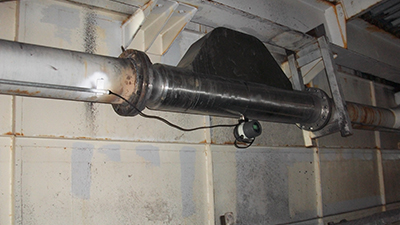
Figure 1: Coriolis mass flow measurement in a crude oil duty — the meter type that matches dirty, high-viscosity liquids.
Most mass flow meter problems are not electronic failures. They are application mismatches: a meter specified for the wrong medium, the wrong temperature, the wrong contamination level, or the wrong compliance zone. Correct selection therefore starts with the process, and the budget conversation comes after the constraints that actually determine whether the instrument will work.
This guide maps the mass flow meter types supplied by Silver Automation Instruments — Coriolis (including Micro Coriolis), steam, thermal, and low-flow thermal — to the industry scenarios they are built for. It uses two constraint-heavy field projects (dirty crude oil in Saudi Arabia and high-temperature asphalt in Serbia) plus verified certification data, so buyers working through the research and evaluation stage can match meter type to application rather than matching it to a price list.
Quick mapping by application
- Dirty, viscous or custody-transfer liquids → Coriolis mass flow meter (SH-CM)
- Micro flows in dosing, fermentation, semiconductor and fuel cell systems → Micro Coriolis mass flow meter (SH-CMF-FE)
- Saturated or superheated steam → Steam mass flow meter (STLU-VFN)
- Dry gases: compressed air, natural gas, biogas, N₂, O₂, LPG → Thermal mass flow meter (SRK-100)
- Gas flows from 2 sccm to 30 SL/M → Low flow thermal mass flow meter (SRK-DL)
Problem Definition: Why Budget-First Meter Selection Breaks Down
A mass flow meter is only accurate inside the constraints it was designed for. When procurement begins with unit price, the constraint review often happens after the purchase order is placed — and by then the meter has been specified against the wrong fluid behaviour.
Four constraint groups decide the outcome of a selection:
1. Medium behaviour. Steam is not an ordinary gas: saturated steam carries varying moisture content and superheated steam runs at high temperature, so the instrument must handle both and compensate for temperature and pressure. Dirty crude oil carries sand, wax and brine, and a meter that depends on upstream filtration or long straight pipe runs may not survive that duty. High-viscosity liquids such as syrup or asphalt behave differently again.
2. Operating envelope. Temperature, pressure rating and flow range define the mechanical design. A liquid oxygen line at –183 °C, a nitrogen line at around 700 bar, and an ambient-temperature compressed air header cannot share the same sensor body, seals or housing.
3. Contamination and maintenance exposure. Meters with moving parts add wear items. Meters that require filters add a maintenance task and a shutdown risk. Meters that need straight-pipe sections constrain layout in a plant where pipe space is already fixed.
4. Compliance and legal metrology. Hazardous area classification, CE marking for EU placement, and ISO 9001 quality system evidence are hard requirements in regulated plants rather than optional extras. Where trade measurement is involved, metrology rules apply: NIST Handbook 44 (2024 Edition) Section 3.37 sets technical requirements for mass flow meters in commercial measurement in the United States, and ISO 6996:2024 specifies requirements for meter verification using master Coriolis mass flow meters, particularly for bunkering applications.
None of this means that one technology is universally better. It means meter type should be chosen by scenario. Within a correctly defined scenario, the budget question becomes meaningful, because you are finally comparing like with like.
Industry Background: Where Mass Flow Measurement Demand Sits
Published market data places flow measurement among the larger instrumentation categories. Grand View Research valued the global flow meter market at approximately USD 10.64 billion in 2024, with a projected value of USD 15.17 billion by 2030. Within that market, Fortune Business Insights estimated that Coriolis flow meters represented approximately 22% of global flow meter market share in 2024, and Market Research Future estimated the global Coriolis meters market at USD 2.35 billion in 2024. Thermal flow meters form a smaller but growing segment: Market Research Future estimated that market at USD 1.728 billion in 2024 with a projected CAGR of 4.83%.
Application demand is not spread evenly. Fact.MR identified oil and gas as the leading application for flow meters, accounting for approximately 29.6% of market share — consistent with the concentration of custody transfer, production allocation and pipeline measurement duties in that sector.
Note on market data: published market sizing for flow meters varies considerably between research sources, largely because different reports include different flow technologies and different application scopes. The figures above should be read as directional indicators of segment scale, not as a single agreed market value.
What market figures do not show is the constraint pattern behind them. In practice, the technical questions that decide a purchase are: does the medium contain solids or carry high viscosity, is it steam or gas, how low does the flow go, what temperature and pressure must the sensor survive, and which hazardous-area or metrology requirements apply? Those five questions lead directly to the meter type.
Detailed Solution: The Four Meter Types, Mapped to Real Applications
1. Coriolis mass flow meter (SH-CM) — liquids, slurries, cryogenics and custody transfer
The SH-CM Coriolis mass flow meter measures mass flow directly rather than inferring it from volume, which is why it is the default choice where accuracy has commercial consequences. The range covers sizes from approximately 1 mm to 300 mm, flow rates from about 10 kg/h to 1500 t/h, and fluid temperatures from –200 °C to 350 °C, with IP65 protection and 316L stainless steel wetted construction.
Output and integration options include 4–20 mA, pulse, frequency, MODBUS RTU, HART, Profibus-DP and Profibus-PA, so the unit can be integrated as a digital mass flow meter into DCS or PLC control systems. The SH-CM is ATEX certified for Zone 2 hazardous areas.
Application fit: as a liquid mass flow meter and oil mass flow meter, it covers crude oil and fuel oil measurement, cryogenic liquids (liquid nitrogen, oxygen, argon, hydrogen, LNG and helium), marine bunkering, chemical and petrochemical process liquids, food and beverage liquids including high-viscosity products, pharmaceutical and biotech processes, mining and minerals processing, pulp and paper, water and wastewater treatment, and semiconductor and electronics manufacturing.
Practical limits: large line sizes and extreme temperatures require correct sensor and housing design. A high-temperature, high-viscosity medium such as asphalt needs an insulation jacket design to prevent solidification — that is a selection decision, not an accessory added later.
2. Micro Coriolis mass flow meter (SH-CMF-FE) — small flows in critical processes
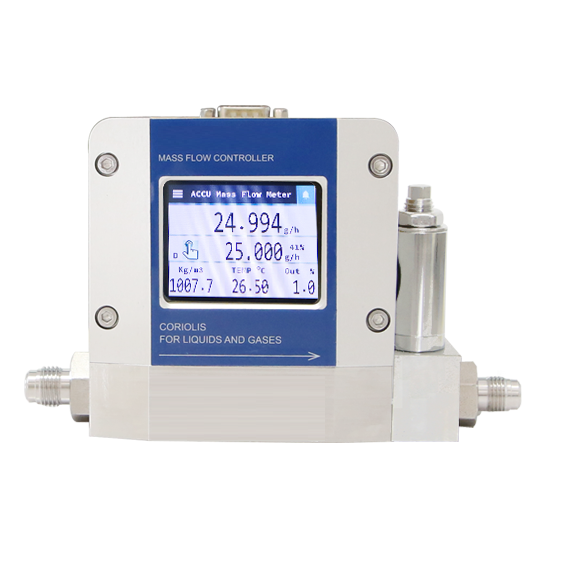
Figure 2: Micro Coriolis mass flow meter/controller in 316L stainless steel, covering 40 g/h to 1000 kg/h.
The SH-CMF-FE Micro Coriolis mass flow meter covers a flow range of 40 g/h to 1000 kg/h at ±0.25% to ±0.5% accuracy, with a pressure rating of 30 bar or 100 bar and a 316L stainless steel construction. Outputs include 4–20 mA, 0–5 VDC and 1–5 VDC, with RS485 or RS232 communication and 15 V DC or 24 V DC power supply. The unit operates either as a meter or as a flow controller.
Application fit: process fluid measurement and control in food, (petro)chemical and pharmaceutical production, fermentation equipment, semiconductor processing, and fuel cell technology. Fluids handled include pure water, silicone, aviation kerosene, diesel, supercritical CO₂ and silane.
Why type matters here: in semiconductor processing and fuel cell work, the flow rate is small, the fluid is often expensive or hazardous, and repeatability expectations are high. A device scaled to a main process line cannot serve this duty; the meter has to be designed for micro flows from the beginning.
3. Steam mass flow meter (STLU-VFN) — saturated and superheated steam
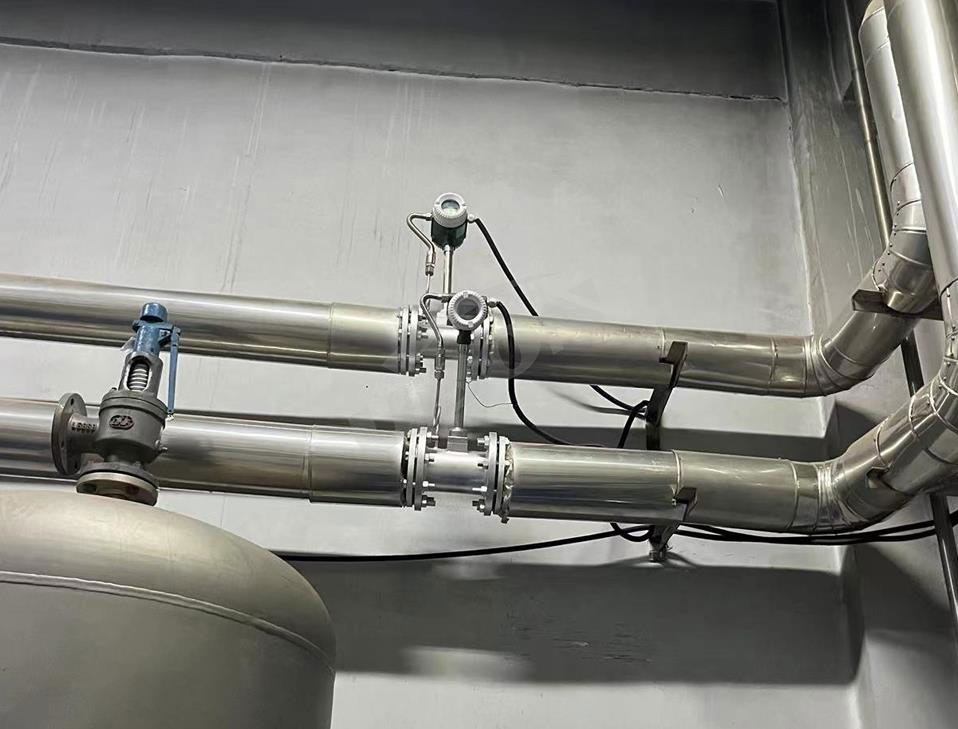
Figure 3: Steam mass flow measurement for saturated and superheated steam, DN15–DN300, up to 500 °C.
The STLU-VFN steam mass flow meter is based on the vortex flow meter principle and is designed for both saturated and superheated steam. It covers pipeline sizes from DN15 to DN300 with a maximum steam temperature of 500 °C, uses a stainless steel 304 flow sensor (with 304 or 316 material options), and offers flange, wafer, screw or tri-clamp process connections. It is ATEX approved and includes built-in temperature and pressure compensation, which is what allows the instrument to report mass flow in units such as kg/h or t/h instead of an uncompensated volumetric figure.
Application fit: power generation, chemical and petrochemical plants, food processing, pharmaceutical production and district heating, where steam is used for energy management and process control.
Practical limits: temperature and pressure compensation is not a convenience feature. Saturated steam with varying moisture content and superheated steam at high temperature both require temperature and pressure inputs to derive mass flow, which makes compensation mandatory rather than optional wherever steam quality varies.
4. Thermal mass flow meter (SRK-100) — dry gas measurement at low pressure
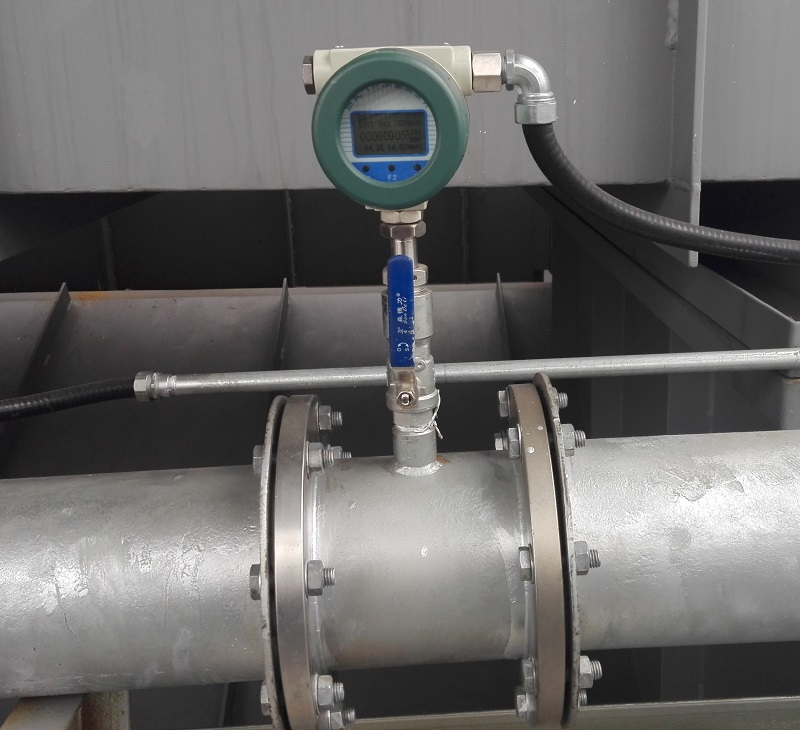
Figure 4: Thermal mass flow measurement of compressed air — insertion or inline installation, DN15–DN2000.
The SRK-100 thermal mass flow meter measures gas mass flow using the thermal dispersion principle. It covers DN15 to DN2000 with a gas temperature range of –20 °C to 300 °C, is available in insertion or inline versions including remote display variants, and offers 4–20 mA output with RS485, MODBUS RTU or HART communication. The sensor is stainless steel 304. Measurable gases include air, compressed air, N₂, natural gas, biogas, O₂ and LPG, and the model is ATEX certified.
Application fit: as an air mass flow meter and gas mass flow meter, it serves oil and gas duties (natural gas measurement, flare gas monitoring, combustion air and gas control), chemical and petrochemical process gases including nitrogen, hydrogen and hydrocarbons, semiconductor and electronics ultra-pure gas control, food and beverage monitoring of air, nitrogen or CO₂ in packaging, fermentation and pneumatic conveying, and wastewater aeration control and stack gas monitoring.
Practical limits: a thermal unit is a gas meter. It suits large ducts and pipes at modest pressure, where an insertion design keeps installation cost and pressure loss low, but it is not the correct choice for steam, for liquids, or for a mixed-phase medium.
5. Low flow thermal mass flow meter (SRK-DL) — 2 sccm to 30 SL/M
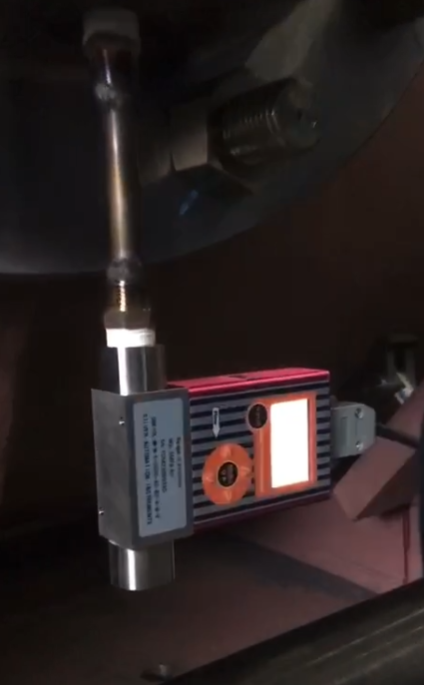
Figure 5: Low flow thermal mass flow meter used to detect leakage down to 2 sccm.
The SRK-DL low flow mass flow meter covers 2 sccm to 30 SL/M at ±1% F.S. accuracy, with 0–5 V, 4–20 mA or 1–5 V outputs, RS232/RS485 with MODBUS communication, and ±15 VDC or 24 VDC power. It functions as a mass flow meter or flow controller and is used in semiconductor, medical, analytical instrument, fuel cell and environmental monitoring applications.
Application fit: leak detection, gas dosing, purge monitoring and analytical instrument gas control, where the useful signal sits in the millilitre-per-minute range rather than in normal process flows.
Step-by-Step: Matching a Meter to Your Scenario
The sequence below works for both greenfield specification and retrofit replacement, and it keeps the meter type decision ahead of the commercial decision.
Step 1 — Identify the medium and its phase. Liquid, gas, steam, cryogenic liquid, or a liquid carrying solids. This single answer removes most of the candidate list immediately.
Step 2 — Set the operating envelope. Minimum, normal and maximum flow, line size, maximum pressure, and maximum and minimum temperature. Compare against the published ranges: –200 °C to 350 °C and up to 1500 t/h for the SH-CM; –20 °C to 300 °C for the SRK-100; up to 500 °C for the STLU-VFN; 40 g/h to 1000 kg/h for the SH-CMF-FE; and 2 sccm to 30 SL/M for the SRK-DL.
Step 3 — Check contamination, viscosity and installation constraints. If the fluid is dirty, abrasive or high-viscosity — or if no straight-pipe length is available and filters are not acceptable — the constraint set points to Coriolis. Insertion thermal meters are the practical option where a large existing duct or pipe cannot be cut for an inline body.
Step 4 — Confirm whether the measurement is commercial or legal. Custody transfer, allocation and trade measurement bring metrology requirements into scope. ISO 6996:2024 addresses meter verification using master Coriolis mass flow meters for bunkering applications, and NIST Handbook 44 Section 3.37 defines technical requirements for mass flow meters in commercial measurement.
Step 5 — Confirm the hazardous area and destination market. Establish the zone classification and the market where the meter will be installed, then verify the certificate scope, certificate number and validity dates against the documents supplied with the quotation.
Step 6 — Match the output and communication to the control system. 4–20 mA and pulse remain standard; MODBUS RTU, HART, RS485 and Profibus-DP/PA support digital integration. Decide at specification stage whether the site needs a local display or remote electronics.
Step 7 — Validate before committing to a full order. Request a sample unit, confirm the calibration record, and confirm production capacity and lead time against the project schedule.
Use Cases: Two Constraint-Heavy Scenarios in Practice
Saudi Arabia — dirty crude oil at up to 0.1% accuracy, with no filters and no straight-pipe requirement
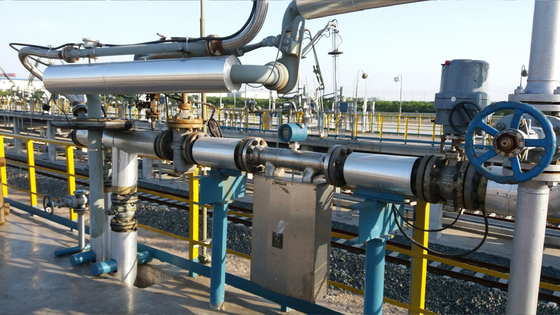
Figure 6: Coriolis mass flow meter applied to dirty crude oil measurement.
Two SH-CM Coriolis mass flow meters were supplied for crude oil mass flow measurement in Saudi Arabia, where the medium is dirty crude oil. The application has run for 10–15 years with these reported characteristics: accuracy up to 0.1%; no installation requirement for straight pipe sections before or after the sensor; no filters required, because the sensor is not blocked by impurities; and no moving parts, which allows long-term continuous operation.
This is the clearest illustration of why constraint order matters. A volumetric meter in the same duty would need a filtration stage and a defined pipe layout; the Coriolis design removes both constraints, which is a project engineering benefit as much as a measurement benefit.
Serbia — asphalt at approximately 250 °C with an insulation jacket design
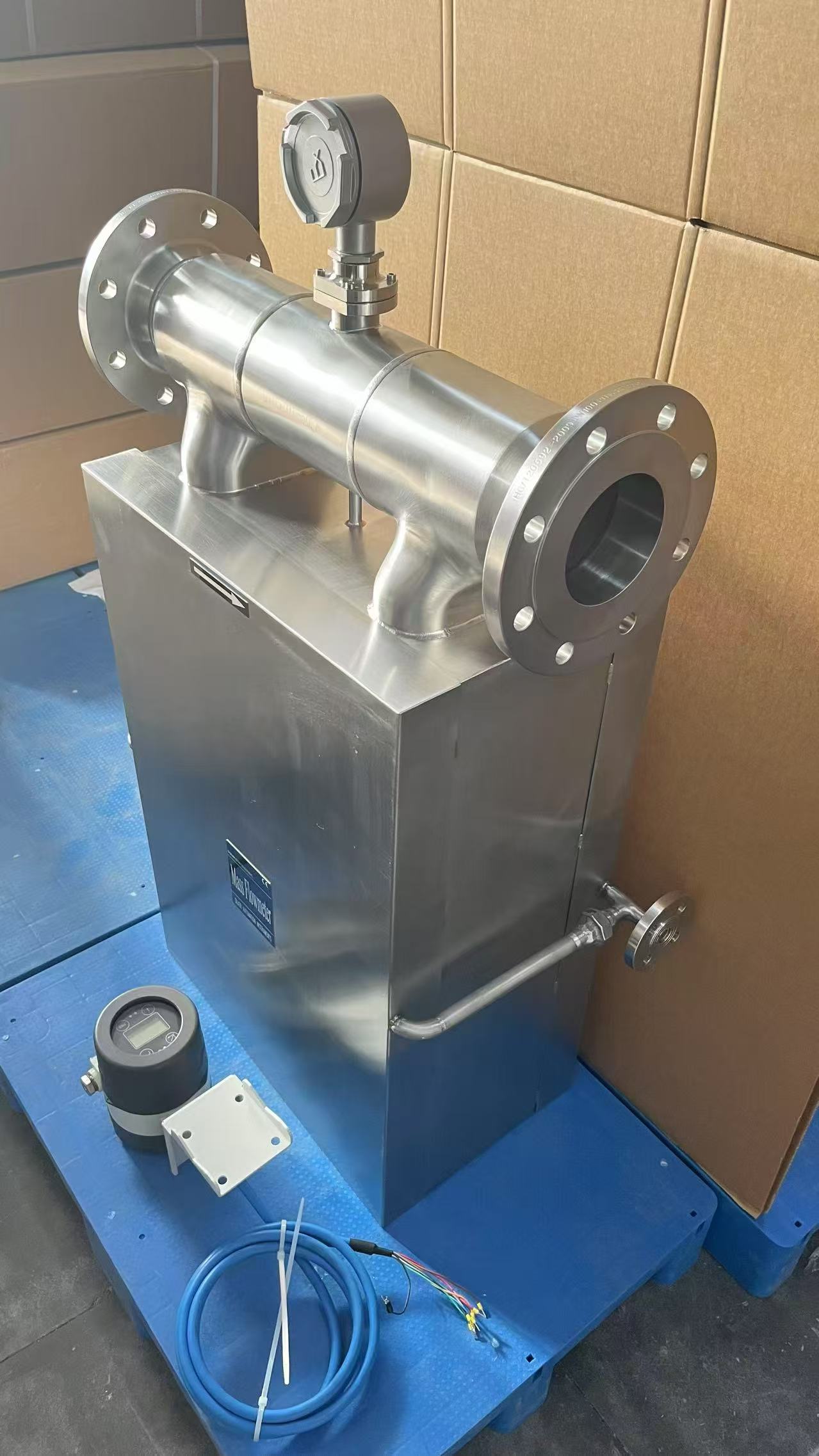
Figure 7: High-temperature asphalt mass flow meter with insulation jacket design.
Two Coriolis mass flow meters were supplied in Serbia to measure the mass flow rate of high-temperature, high-viscosity asphalt, and have operated for more than five years. The sensor design withstands asphalt at approximately 250 °C, and an insulation jacket design prevents the asphalt from solidifying in the measurement section. A single sensor reports several parameters — mass flow rate, volume flow rate, temperature and density — and asphalt containing slight impurities of tiny particles does not affect stable operation.
The lesson for buyers is that high-temperature, high-viscosity service is a sensor-design question, not a display question. Multi-parameter output is only useful because the mechanical design can hold the medium in a measurable state.
Additional scenario evidence
Beyond those two flagship projects, the same meter families have been applied across a wide range of conditions: high-pressure nitrogen gas at around 700 bar (Chile, more than three years of stable measurement); high-viscosity syrup measured to 0.1% accuracy with simultaneous mass flow, volume flow and density output (Thailand, more than five years); low-pressure biogas in a 4-inch pipeline at around 10 mbar using a PTFE-sprayed insertion thermal sensor (Singapore, more than five years); saturated steam measured with simultaneous temperature and pressure detection up to 400 °C (South Africa, ten units, more than five years); air leakage detection down to 2 sccm (China, more than ten years); compressed air measurement (UAE, more than ten years); natural gas measurement (Brazil, twenty units, more than ten years); liquid oxygen at –183 °C (India); and corrosive chlorine gas handled with a tantalum-wetted construction (Malaysia).
Comparison Table: Meter Type Against Application Constraints
The table below compares the five instrument types on the parameters that decide an application match. All values are drawn from the published product specifications; where a value is not specified for a model, the field is left blank rather than estimated.
| Meter type / model | Primary medium | Flow range / line size | Temperature | Wetted material | Compliance |
|---|---|---|---|---|---|
| Coriolis mass flow meter — SH-CM | Liquids, cryogenic liquids, gases, high-viscosity and contaminated products | ~1 mm to 300 mm; ~10 kg/h to 1500 t/h | –200 °C to 350 °C | Stainless steel 316L | ATEX certified (Zone 2); CE certified |
| Micro Coriolis mass flow meter — SH-CMF-FE | Liquids and gases in small-flow dosing and control | 40 g/h to 1000 kg/h; pressure rating 30 bar or 100 bar | — | Stainless steel 316L | ATEX certified (Zone 2); CE certified |
| Steam mass flow meter — STLU-VFN | Saturated and superheated steam | DN15 to DN300; max steam temperature 500 °C | Up to 500 °C | Stainless steel 304 (304 or 316 options) | ATEX approved; built-in temperature and pressure compensation |
| Thermal mass flow meter — SRK-100 | Air, compressed air, N₂, natural gas, biogas, O₂, LPG | DN15 to DN2000 (insertion or inline) | –20 °C to 300 °C (gas) | Stainless steel 304 | ATEX certified; CE certified |
| Low flow thermal mass flow meter — SRK-DL | Gases at micro flow rates | 2 sccm to 30 SL/M; accuracy ±1% F.S. | — | Stainless steel | CE certified |
Sector Fit Reference
Sector fit follows from the medium and the duty, not from the size of the plant. The mapping below reflects the documented application scope of each instrument type.
| Industry sector | Typical measurement duty | Meter type that fits |
|---|---|---|
| Automotive | Fuel consumption and test-bench measurement; compressed air monitoring | Coriolis (SH-CM); thermal (SRK-100) |
| Aerospace | Jet fuel flow monitoring; cryogenic fluids | Coriolis (SH-CM) |
| Marine | Bunkering, vessel fuel consumption and marine loading | Coriolis (SH-CM) |
| Power generation | Steam energy management; generator fuel usage | Steam (STLU-VFN); Coriolis (SH-CM) |
| Industrial machinery | Fuel and fluid consumption monitoring | Coriolis (SH-CM) |
| Rail | Rail and locomotive fueling measurement | Coriolis (SH-CM) |
| Fuel distribution | Custody transfer at depots, terminals and stations | Coriolis (SH-CM) |
| Chemical | Process liquids and gases; steam for process heat | Coriolis (SH-CM); thermal (SRK-100); steam (STLU-VFN) |
| Petrochemical | Process gas and liquid measurement; steam | Coriolis (SH-CM); thermal (SRK-100); steam (STLU-VFN) |
| Food and beverage | High-viscosity liquids; packaging gas (N₂/CO₂); steam | Coriolis (SH-CM); Micro Coriolis (SH-CMF-FE); thermal (SRK-100); steam (STLU-VFN) |
| Pharmaceutical | Process dosing and control; clean steam | Micro Coriolis (SH-CMF-FE); Coriolis (SH-CM); steam (STLU-VFN) |
| Textiles | Compressed air consumption and leak monitoring | Thermal (SRK-100) |
| Electronics | Ultra-pure gas control; compressed air; micro-flow dosing | Thermal (SRK-100); low flow thermal (SRK-DL); Micro Coriolis (SH-CMF-FE) |
| Energy | Compressed air efficiency; steam and gas energy measurement | Thermal (SRK-100); steam (STLU-VFN) |
| District heating | Steam and heat energy measurement | Steam (STLU-VFN) |
Certification and Compliance Constraints
For buyers in regulated industries, certification is a hard constraint rather than a selling point. The following certificates apply to the flow meter range.
CE marking (EU market). The CE certificate covering the flow meter range, certificate number 1N220422.SAIUW36, was issued by Ente Certificazione Macchine Srl under standard EN IEC 61326-1:2021, with an issue date of 5 May 2022 and an expiry date of 21 April 2027.
ATEX Zone 2 (ICR certificate). Certificate number ICR/VC/HM251296 was issued by ICR for Zone 2 hazardous areas under standards IEC 60079-0:2018+A11:2024, EN 60079-1:2014+A11:2024 and EN IEC 60079-31:2024, valid from 9 December 2025 to 9 December 2030.
ATEX Zone 2 (Ente Certificazione Macchine srl certificate). Certificate number ECM 22 ATEX-B 0S05 was issued by Ente Certificazione Maccine srl for Zone 2, based on standards EN IEC 60079-0:2018/AC:2020, EN 60079-1:2014 and EN60079-31:2014, valid from 21 February 2022 to 20 February 2027.
Quality management system. Certificate number 79625Q0002107R0S certifies compliance with ISO9001:2015, issued by ZHONGHONG CERTIFICATION (JIANGSU) CO., Ltd, valid from 10 July 2025 to 9 July 2028.
In practical procurement terms: confirm the zone classification first, then confirm that the certificate on the quotation covers the specific model, the specific destination market and the current validity period. Expiry dates matter — a certificate that lapses during a multi-year project can create a re-verification cost later.
Frequently Asked Questions
What certifications do Silver Automation Instruments mass flow meters carry for hazardous areas and regulated markets?
The range carries CE, ATEX and ISO 9001 documentation. CE certification (certificate number 1N220422.SAIUW36) was issued by Ente Certificazione Macchine Srl under standard EN IEC 61326-1:2021 for the EU market, valid to 21 April 2027. ATEX certification for Zone 2 is covered by certificate number ICR/VC/HM251296 issued by ICR, valid from 9 December 2025 to 9 December 2030, and by certificate number ECM 22 ATEX-B 0S05 issued by Ente Certificazione Maccine srl, valid from 21 February 2022 to 20 February 2027. Quality management is certified to ISO9001:2015 under certificate number 79625Q0002107R0S, issued by ZHONGHONG CERTIFICATION (JIANGSU) CO., Ltd and valid from 10 July 2025 to 9 July 2028.
How do I decide between Coriolis, steam, thermal and low flow thermal meters for my process?
The medium decides the family. Coriolis (SH-CM) suits liquids, cryogenic fluids, gases and contaminated or high-viscosity products, with sizes from approximately 1 mm to 300 mm, flow from about 10 kg/h to 1500 t/h and fluid temperatures from –200 °C to 350 °C. Micro Coriolis (SH-CMF-FE) suits small-flow dosing and control from 40 g/h to 1000 kg/h at ±0.25% to ±0.5% accuracy. The steam meter (STLU-VFN) is for saturated and superheated steam from DN15 to DN300 up to 500 °C with built-in temperature and pressure compensation. The thermal meter (SRK-100) is for dry gases such as air, compressed air, N₂, natural gas, biogas, O₂ and LPG over DN15 to DN2000. The low flow thermal meter (SRK-DL) covers 2 sccm to 30 SL/M for micro-flow gas duties.
Which factors drive the cost of a mass flow meter, and how should budget be compared?
Cost is driven by the same constraints that decide the meter type: line size, pressure rating, temperature range, wetted material, hazardous-area certification, output and communication options, and order quantity. Because these variables differ between technologies, a purchase price comparison across meter families is only valid when the specification is fixed first. Buyers should compare on installed cost and operating cost rather than sticker price — including whether the installation needs straight pipe sections or filters, whether there are moving parts to wear, and whether one sensor can report several parameters instead of requiring separate instruments. Silver Automation Instruments manufactures as a Chinese factory and sells factory-direct, which removes distributor margin from the price structure while keeping the CE, ATEX and ISO 9001 documentation described above.
Can I evaluate a sample unit before placing a production order?
Yes. The minimum order quantity for the flow meter range is 1 unit, which allows a single instrument to be used for application validation before a larger order is placed. OEM and ODM supply is available with logo customization, and each unit passes a calibration test as part of quality control. Monthly production capacity is 2,000 units, so sample evaluation and subsequent volume orders can be handled within the same production system.
What is the typical lead time and production capacity?
Standard lead time is 10–12 working days, with a monthly capacity of 2,000 units and an annual output of 60,000 units from a 10,000 m² factory staffed by 80 employees, including a 20-person R&D team. Field records show shorter delivery in some cases, such as 5–7 working days on a natural gas order and delivery within one week on a compressed air order. To confirm lead time for your scenario, send the medium, flow range, line size, temperature, pressure and hazardous area classification to sales@silverinstruments.com or WhatsApp +86 18936759191, and the team will confirm the matching model, certificate applicability and delivery schedule.
Conclusion
Matching meter type to industry scenario is what separates a working installation from a maintenance problem. The sequence that holds up in practice is: define the medium and its phase, fix the operating envelope, review contamination and installation constraints, confirm metrology and hazardous-area requirements, then match outputs to the control system — and only then compare commercial terms.
Applied that way, the four families in this guide cover a wide span of duties: Coriolis for dirty, viscous, cryogenic and custody-transfer liquids; Micro Coriolis for micro flows in semiconductor, fuel cell and pharmaceutical processes; steam metering with built-in compensation for saturated and superheated service; thermal metering for dry gases in large pipes; and low flow thermal metering down to 2 sccm. The supporting evidence comes from projects such as the Saudi Arabian dirty crude oil application, where 0.1% accuracy was achieved without filters or straight-pipe requirements, and the Serbian asphalt application at approximately 250 °C, where an insulation jacket design and multi-parameter output kept a high-viscosity medium measurable.
Silver Automation Instruments has manufactured flow, pressure, level and data logging instruments since 2010, exporting to markets across Southeast Asia, South America and Africa, with a 95% export ratio and a product range that includes Coriolis, thermal, electromagnetic, vortex, turbine and oval gear flow meters.
Next Step: Match a Meter to Your Scenario
Send your medium, flow range, line size, temperature, pressure and hazardous area classification, and the engineering team will confirm which meter type fits, which certificate applies, and what the lead time will be. Free expert consultation is available, sample orders start from a minimum of 1 unit, OEM and logo customization are supported, and every unit ships with a calibration test record.
Email: sales@silverinstruments.com | WhatsApp: +86 18936759191 | Phone: +86 25-52155837
Website: www.silverinstruments.com | Download the product brochure: Silver Automation Instruments brochure (PDF)
Address: No. 108 Jiang dong Middle Road, Jian ye District, Nanjing, Jiangsu
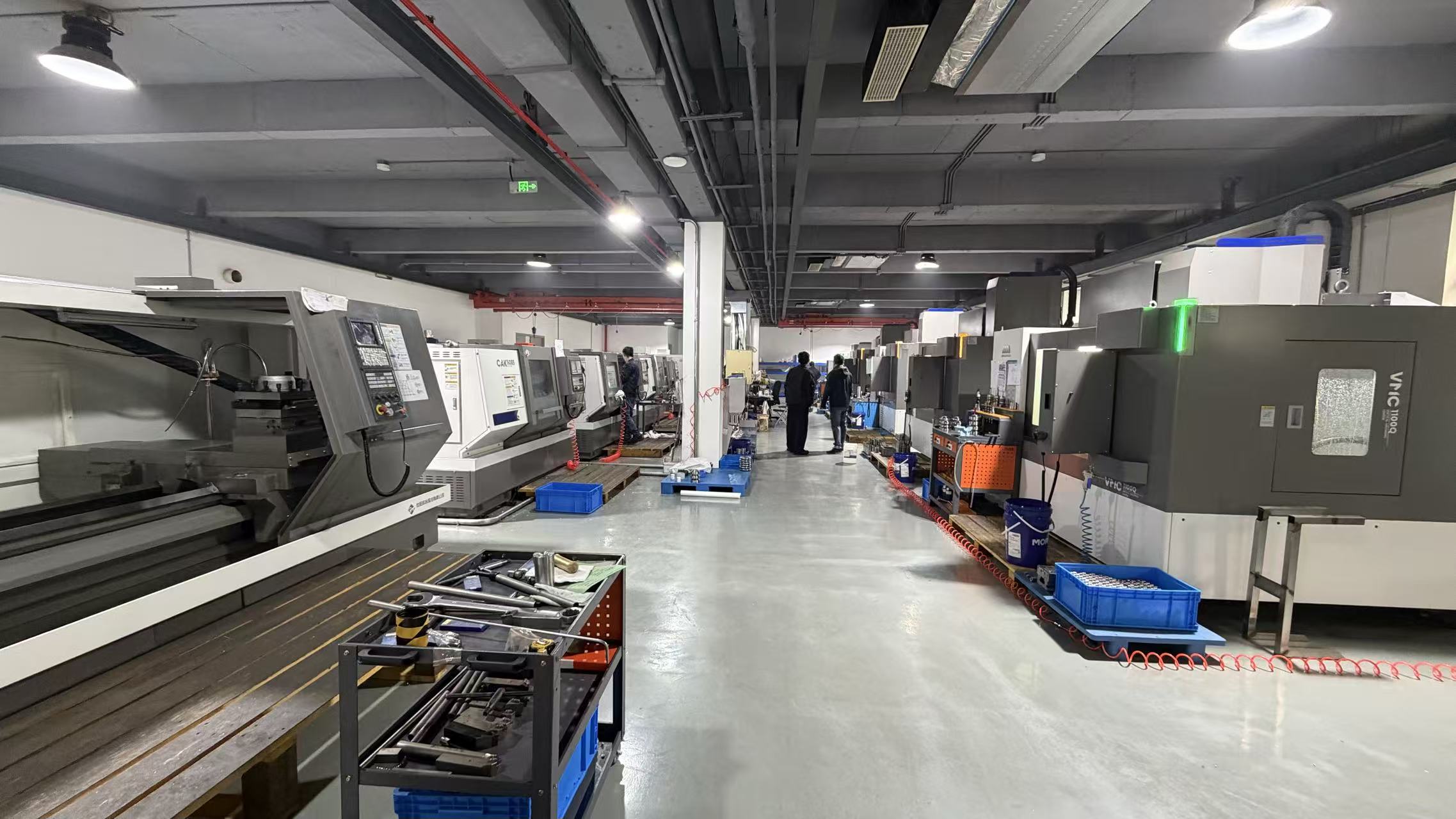
Silver Automation Instruments machining workshop, Nanjing, China.
Have Questions or Need More Details?
Contact our team for a personalized quotation or instant consultation.
Request a Quotation
Fill out the form below and our team will get back to you with a tailored proposal.
WhatsApp Direct Chat
Prefer to chat in real-time? Message us on WhatsApp for instant assistance & quick answers.
- Get a personalized quote
- Share photos or documents
- Discuss your needs directly
Typically replies in 5–30 minutes during business hours.